


GLP-1 & Metabolic Health
Does GLP-1 Actually Work for PCOS?
TLDR: All you need to know
Yes—GLP-1 can work for PCOS, especially when insulin resistance drives hunger, cravings, and stubborn belly fat. PCOS isn’t just a reproductive hormone condition—it’s often a metabolic one. Traditional “eat less, move more” strategies can fail because biology pushes back. GLP-1 supports the biology first (appetite signaling + insulin control), making behavior changes finally feel possible—when used with medical guidance.
If you have PCOS, you’ve probably asked yourself this at least once: “Why does weight loss feel so much harder for me than everyone else?” You can eat carefully, exercise consistently, follow the plan—and still see the scale barely move. Hunger can feel constant, fat can settle around the midsection, and progress can stall quickly.
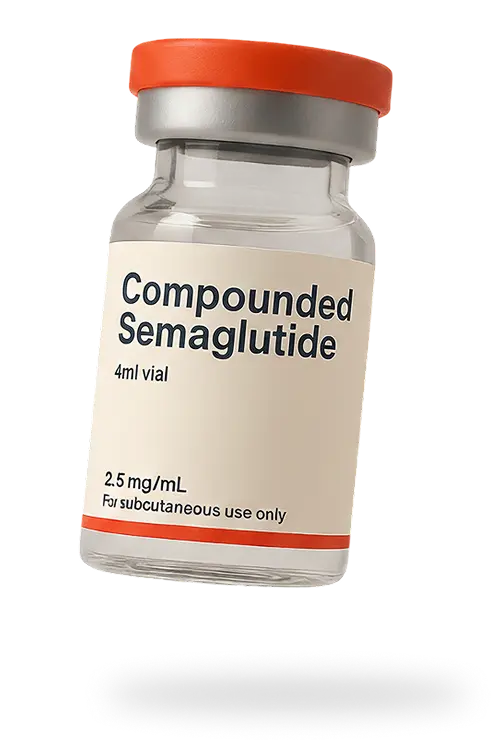
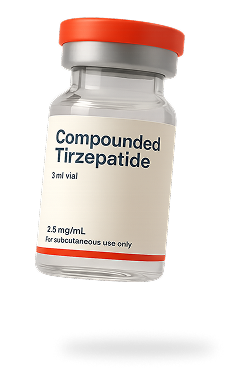
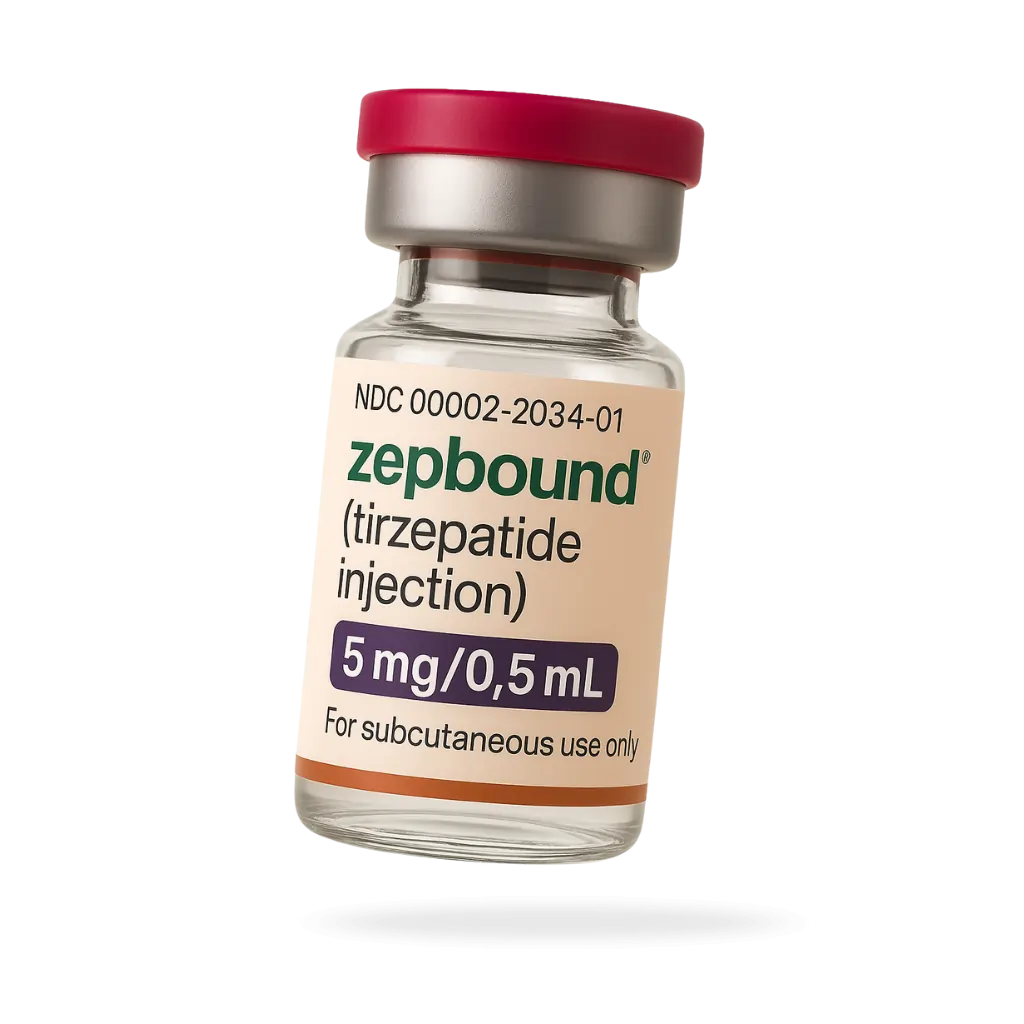
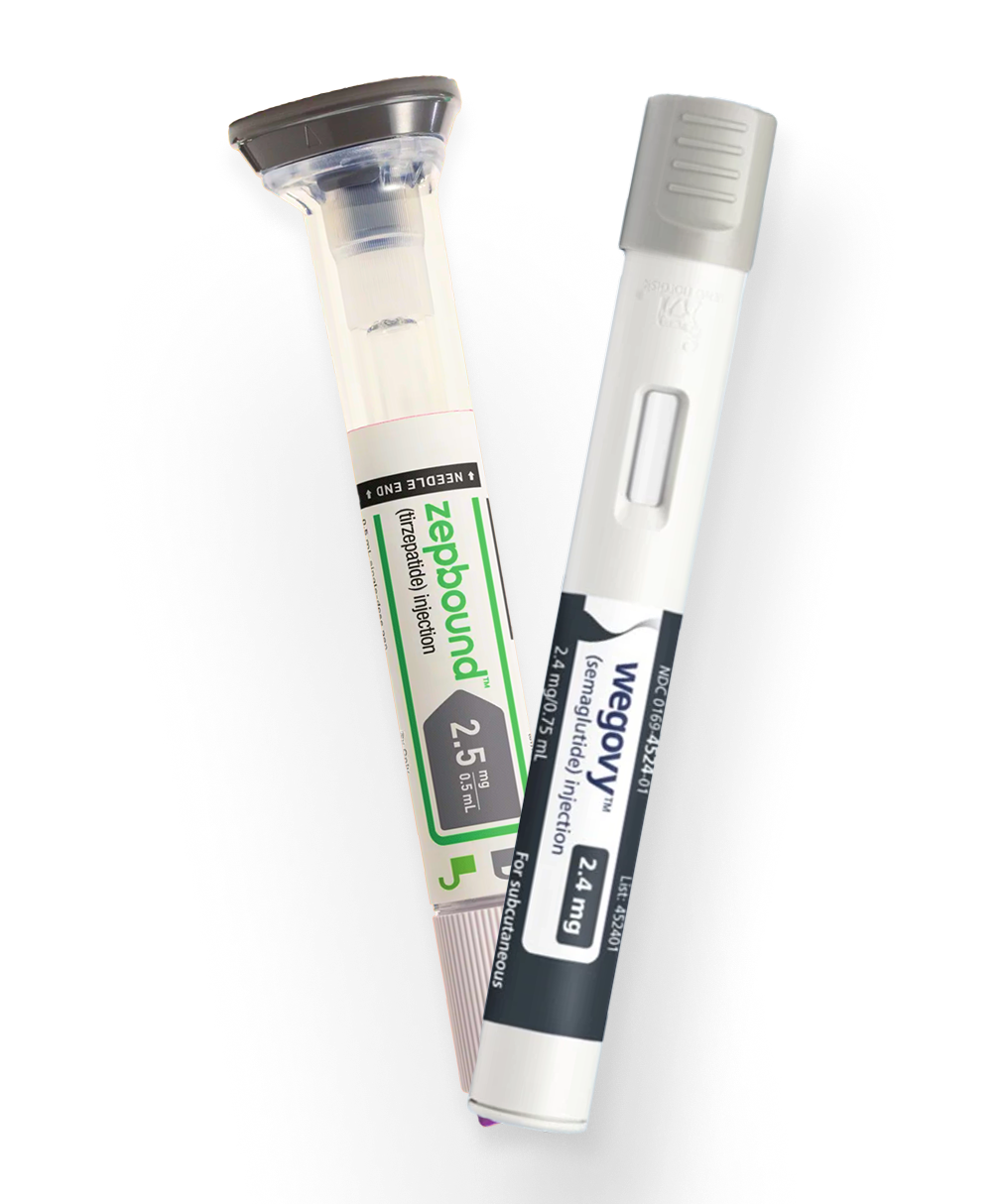
So when GLP-1 medications like semaglutide or tirzepatide enter the conversation, it’s natural to wonder: Does GLP-1 actually work for PCOS—or is this just another thing that works for everyone else but not me? Let’s break it down clearly.
The Short Answer
Yes—GLP-1 can work for PCOS. But it works best when you understand why PCOS bodies struggle with traditional weight-loss methods and how GLP-1 is different from “regular” approaches. This isn’t about trying harder. It’s about choosing tools that match your biology.
Why PCOS Weight Loss Feels Different
PCOS is not just a reproductive hormone condition. It’s also often a metabolic condition. Many people with PCOS experience insulin resistance (even without diabetes), higher insulin levels throughout the day, stronger hunger signals, easier fat storage (especially around the abdomen), and slower fat release during calorie deficits. That’s why many “standard” weight-loss strategies don’t work well—or only work temporarily.
Regular Weight-Loss Choices vs GLP-1 (PCOS Perspective)
Most advice online treats weight loss as a behavior problem. PCOS proves it’s often a biology problem. A GLP-1–supported approach helps regulate appetite and insulin so behavior becomes possible.
| Category | Regular Diet & Exercise | GLP-1–Supported Approach |
|---|---|---|
| Primary focus | Eat less, move more | Regulate appetite + insulin |
| How hunger is handled | Willpower-based | Hormone-assisted (GLP-1 signaling) |
| Insulin resistance | Often ignored | Directly addressed |
| Blood sugar swings | Common | Reduced and more stable |
| PCOS belly fat | Hard to target | Often improves with insulin control |
| Food noise / cravings | Usually persistent | Often quieter and more manageable |
| Energy levels | Can drop with restriction | Often steadier once adapted |
| Stress on the body | Can increase cortisol | Often lower when dosed properly |
| Long-term sustainability | Low for many with PCOS | Higher with medical guidance |
A Simple Way to Understand the Difference
Traditional approaches ask your body to behave differently first. GLP-1 helps change the biology so behavior becomes possible. That difference is why many people with PCOS feel relief—not just weight loss—when GLP-1 is used correctly.
What GLP-1 Actually Does in PCOS Bodies
GLP-1 medications can support PCOS by improving insulin sensitivity, reducing appetite signaling to the brain, slowing stomach emptying, and stabilizing blood sugar after meals. For PCOS, this matters because insulin resistance is one of the main drivers of hunger, weight gain, and hormone disruption. GLP-1 doesn’t force weight loss—it removes biological resistance.
Important: GLP-1 Is Not a Shortcut
GLP-1 doesn’t replace nutrition, movement, sleep, or stress management. Instead, it makes these things finally work. Think of GLP-1 as removing the handbrake—not replacing the engine.
Practical Tips if You’re Considering GLP-1 for PCOS
- Start low, go slow. Gradual dosing helps reduce side effects and supports long-term success.
- Eat with GLP-1, not against it. Prioritize protein, fiber, and balanced meals. Undereating or skipping meals can backfire.
- Strength training matters. Muscle improves insulin sensitivity. Even 2–3 short sessions per week can help.
- Stress still counts. High cortisol can stall progress. Sleep and recovery matter as much as calories.
- Medical guidance is key. PCOS is complex—monitoring and personalized plans matter, especially with thyroid issues, irregular cycles, or fertility goals.
Common PCOS Questions About GLP-1
- Does GLP-1 help PCOS belly fat? Often yes, because abdominal fat is closely linked to insulin resistance.
- Will GLP-1 fix my hormones? Not directly—but improving insulin can indirectly support hormonal balance.
- Is GLP-1 safe for PCOS long-term? Safety depends on individualized dosing, monitoring, and medical oversight.
- Will I regain weight if I stop? PCOS bodies tend to regain if metabolic support is removed too quickly. Long-term planning matters.
Why Diets “Never Worked” for Your PCOS
If you’ve tried keto, low-calorie diets, intermittent fasting, or “clean eating” and still felt stuck—that wasn’t a failure. PCOS bodies often need metabolic support before behavior changes can succeed. That’s where GLP-1 fits—when used thoughtfully.
The Bottom Line
GLP-1 can work for PCOS—not because PCOS bodies are broken, but because they’re different. When treatment aligns with biology, hunger becomes manageable, progress feels fair, and weight loss stops feeling like a daily battle. It’s not about trying harder. It’s about choosing tools that respect your body.
Want to explore whether GLP-1 makes sense for your PCOS?
Understanding your options—with medical guidance—is the first step.
👉 Explore your options
Safety & Clinical Notes (High-Level)
FAQ
Does GLP-1 work for PCOS?
For many people, yes—especially when insulin resistance is driving hunger and weight gain. Results are best with medical guidance and steady habits.
Why does PCOS make weight loss harder?
PCOS often includes insulin resistance and stronger hunger signaling, which can increase fat storage and make calorie deficits feel harder to sustain.
Will I regain weight if I stop GLP-1?
Weight regain can happen if metabolic support is removed too quickly. Planning, gradual transitions, and clinician support help.