


Strength Training & Recovery: A Comprehensive Guide for Fitness Enthusiasts

Training Strategies for Building Strength
Building strength involves more than brute effort. It requires structured training principles and consistency. Below we cover foundational strategies:
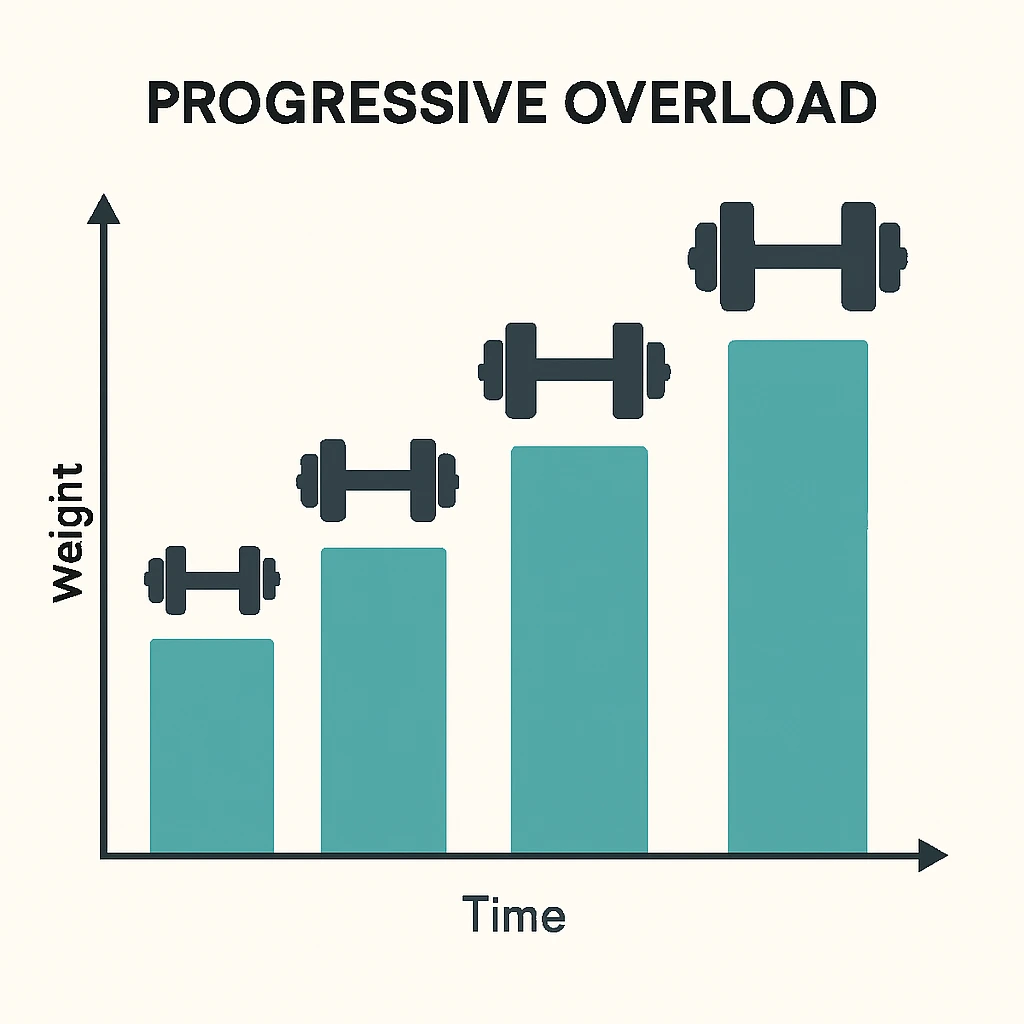
Progressive Overload: Gradually Challenge Your Muscles
Progressive overload is the cornerstone of strength training. It means steadily increasing the challenge on your muscles over time – by adding weight, reps, or training volume as you get stronger. For example, if you comfortably squat 100 lbs for 3 sets of 8, you might increase to ~105 lbs the next session. Research-backed guidelines suggest that when you can perform a bit more than your target (say 1-2 extra reps), you up the weight by about 2–10%. This gradual increase ensures your muscles constantly adapt to greater stress, leading to strength gains.
Key tips for progressive overload include:
- Track Your Workouts: Keep a log of weights, sets, and reps. Small improvements add up.
- One Variable at a Time: Increase weight or reps, not all variables at once, to avoid burnout or injury.
- Deload Periodically: After weeks of progression, take a lighter week to let your body consolidate gains.
Compound Movements First, Isolation Later
Not all exercises are equal for building strength. Compound exercises (like squats, deadlifts, bench presses, pull-ups) engage multiple muscle groups and joints at once, giving you more “bang for your buck.” They not only build overall strength but also improve coordination and core stability.
To maximize strength sessions:
- Prioritize Big Lifts: Start your workout with heavy compound lifts when you’re freshest (e.g., squat before leg extension, bench press before tricep pushdowns).
- Isolation for Weak Links: Follow up with isolation exercises (curls, leg curls, etc.) to target and strengthen specific muscles that might be lagging.
- Proper Form is Key: Quality of movement beats quantity of weight. Master the form on compound lifts to avoid injury and recruit the right muscles.
Evidence-based sequencing recommends doing large muscle group exercises and multi-joint lifts before smaller muscle, single-joint moves to preserve intensity. In practice, that might mean doing pull-ups or bent-over rows before bicep curls, or lunges before calf raises.
Optimal Training Frequency and Volume
How often should you train for strength? Consistency is crucial, but so is allowing recovery for muscles to grow. The American College of Sports Medicine (ACSM) suggests training each major muscle group about 2–3 times per week for beginners, increasing to 3–4 times/week for intermediate, and 4–5 times/week for advanced lifters. This doesn’t mean maxing out daily – instead, split your workouts (upper/lower body days, or push/pull/legs splits) to distribute volume.
General recommendations for strength training volume and frequency:
- Beginner: Full-body workouts 2–3x/week (allow at least 48 hours before working the same muscle again).
- Intermediate: Splits or full-body 3–4x/week, higher volume per muscle group across the week.
- Advanced: 4–5x/week, often with periodization (planned cycles of varying intensity) to manage fatigue.
Each muscle typically needs ~10–20 sets per week (spread over sessions) for optimal growth and strength, depending on individual recovery. Listen to your body; more is not always better if recovery falls behind.
Periodization: Plan for Progress and Recovery
Periodization is a fancy term for cycling your training intensity and volume over time. Instead of going all-out every session, periodization structures your workouts into phases (for example, a few weeks of heavier low-rep training followed by a week of lighter high-rep work). This approach helps prevent plateaus and overtraining.
A classic model is:
- Hypertrophy Phase (Higher Volume): 6–12 reps, moderate weight – builds muscle size and work capacity.
- Strength Phase (High Intensity): 4–6 reps, heavy weight – maximizes neural strength adaptations.
- Deload/Recovery Phase: 1 week of reduced intensity – allows recovery and adaptation.
Studies show that varying rep ranges and loads in a periodized fashion is effective for both strength and muscle gains. The take-home message: plan cycles of training to push hard, then back off briefly to come back stronger.
Don’t Forget Warm-ups and Mobility
Before jumping into heavy lifting, do a proper warm-up. 5–10 minutes of light cardio (jog, cycle) plus dynamic stretches or light versions of your lifts (e.g., bodyweight squats) will increase blood flow to muscles and improve performance. Warm muscles can produce more force and are less prone to injury. Similarly, dedicating time to flexibility or mobility exercises can help maintain joint health and posture as you get stronger. Consider adding a short cool-down after training (light stretching or foam rolling) to start the recovery process.
Recovery: The Other Half of the Strength Equation

Stimulus (training) is only half of the growth equation – the other half is recovery. Muscles don’t get stronger in the gym; they get stronger between sessions when they repair and adapt. Here we explore crucial recovery methods, from nutrition and sleep to active recovery techniques.
Nutrition for Strength and Recovery
“You can’t out-train a bad diet” may be a cliché, but it holds true. To build strength, your muscles need raw materials and energy:
- Protein – the Building Blocks: Adequate protein intake is vital to repair muscle fibers and promote growth. Scientific consensus suggests around 1.2–1.6 grams of protein per kilogram of body weight per day is optimal for most people aiming to build muscle. For a 75 kg (165 lb) person, that’s roughly 90–120 grams of protein daily. Spreading protein across meals (20–40g each) maximizes muscle protein synthesis.
- Carbohydrates – Fuel and Recovery: Carbs often get a bad rap, but they’re the primary fuel for intense workouts. They replenish muscle glycogen (energy stores) and trigger insulin, which helps shuttle nutrients into muscles. After a hard session, consuming carbs with protein can enhance recovery.
- Healthy Fats: Don’t neglect fats – they support hormone production (like testosterone, important for muscle) and provide calorie density. Focus on unsaturated fats (nuts, olive oil, avocados, fatty fish) for overall health.
- Hydration: Water is critical for every recovery process in the body, including nutrient transport and muscle function. Dehydration can impair strength and delay recovery. Aim to drink water regularly throughout the day; a good rule is checking that your urine is light in color as a sign of good hydration.
- Micronutrients: Vitamins and minerals (like Vitamin D, magnesium, zinc) play roles in muscle function and recovery. A balanced diet with plenty of vegetables, fruits, and whole foods usually covers these.
In short, eat to fuel your performance and recovery. Think of protein as repair bricks, carbs as energy fuel, and fats as support systems for hormonal health. A well-fed body recovers faster and builds strength more effectively.
Sleep: The Unsung Hero of Recovery
Never underestimate the power of a good night’s sleep. Sleep is when your body releases a surge of growth hormone and carries out repairs on muscle tissue. Deep sleep (slow-wave sleep) in particular is associated with muscle recovery and cellular repair.
Some benefits of prioritizing sleep:
- Muscle Repair and Growth: During sleep, protein synthesis rates are elevated and stress hormones like cortisol dip, creating an ideal environment for muscle recovery.
- Hormonal Balance: Human growth hormone (hGH) is released mostly during deep sleep. Sleep loss can disrupt this rhythm and reduce anabolic hormone levels while increasing catabolic hormones.
- Performance and Strength: Adequate sleep improves focus, reaction time, and strength output in subsequent workouts. Conversely, sleep deprivation can reduce strength, power, and impair muscle recovery.
- Inflammation Control: Chronic lack of sleep heightens inflammation and slows down healing of muscles and tendons.
Aim for 7–9 hours of quality sleep per night. Tips to improve sleep for recovery include establishing a consistent sleep schedule, creating a dark cool bedroom environment, and limiting screens/caffeine before bed. Remember, sleep is a free performance booster – use it!
Active Recovery and Rest Days
While rest is critical, rest doesn’t always mean complete inactivity. Active recovery involves light, gentle movement that promotes blood flow without adding stress. This can include:
- Light Cardio: Easy cycling, walking, or swimming on off-days. This helps circulate nutrients and remove waste products from muscles. Studies show active recovery can speed up lactate clearance compared to complete rest.
- Stretching and Mobility Work: Gentle stretching or yoga can relieve muscle tightness, improve range of motion, and relax the body and mind.
- Foam Rolling & Self-Massage: Using a foam roller or massage ball on sore muscles can reduce muscle soreness and improve flexibility. Research indicates foam rolling after intense exercise can reduce delayed-onset muscle soreness (DOMS) and improve subsequent workout performance. Spending 10–15 minutes with a foam roller on major muscle groups can help you feel less sore and more mobile for your next training session.
Rest days are not lazy days – they are when your muscles actually recover and strengthen. Schedule at least 1–2 rest or active recovery days per week. If you train very hard, occasionally take a full weekend off or a lighter “deload week” every 6–8 weeks. You’ll likely come back stronger and fresher.
Listen to Your Body
Recovery is highly individual. Pay attention to signs of overtraining or under-recovery: persistent muscle soreness, drop in performance, excessive fatigue, poor sleep, or lack of motivation. These signals mean you might need extra rest, more sleep, or better nutrition. It’s better to take a strategic rest than to push through and risk injury or burnout.
Incorporate stress management as part of recovery too. Mental stress can elevate cortisol and impede muscle recovery. Practices like meditation, deep breathing, or simply relaxing with a hobby can aid your body’s recovery by keeping stress in check.
Peptides for Recovery

At Zappy, we offer the following peptides, which have demonstrated safety profiles and important roles in supporting recovery:
Sermorelin
Sermorelin is a bioidentical peptide that stimulates the body’s natural production of growth hormone (GH) through the hypothalamus and pituitary gland. Unlike synthetic growth hormone administration, Sermorelin promotes the body’s own regulated release of GH. Growth hormone plays a critical role in:
- Muscle recovery and repair
- Bone density and joint health
- Sleep quality and energy levels
Several studies suggest that Sermorelin may improve tissue repair and lean muscle retention as we age. Because it enhances natural pathways, it’s generally considered safer and more physiologic than direct HGH injections.
NAD+
NAD+ (Nicotinamide Adenine Dinucleotide) is a coenzyme present in all living cells. It’s essential for cellular energy production (ATP synthesis), DNA repair, and cellular resilience under stress. As we age, NAD+ levels decline, which can impair muscle recovery, fatigue resistance, and overall vitality. NAD+ supplementation may:
- Support mitochondrial energy production
- Enhance muscle endurance and recovery
- Reduce oxidative stress and inflammation after workouts
Recent studies have shown that restoring NAD+ levels may protect against muscle degeneration and improve skeletal muscle function.
Glutathione
Often called the body’s “master antioxidant,” glutathione protects cells from oxidative stress and free radical damage – processes that are accelerated after intense training. Supporting glutathione levels may:
- Speed muscle recovery
- Reduce post-exercise inflammation
- Support immune resilience during heavy training cycles
Supplementation through glutathione infusions or injections can replenish depleted stores, especially in athletes under chronic physical stress.
Together, Sermorelin, NAD+, and Glutathione offer supportive, well-tolerated ways to enhance your strength journey, recover faster, and protect your long-term health.
We recommend discussing your training goals with our team at Zappy to determine if these therapies may be appropriate for your personal plan.
Bringing It All Together: Train, Recover, Succeed

Building strength is a marathon, not a sprint. By applying sound training principles – progressive overload, compound exercises, proper frequency, and periodization – you provide the stimulus for your muscles to grow stronger. By equally prioritizing recovery – quality nutrition, ample sleep, active recovery, and rest – you give your body the tools and time it needs to adapt and improve. This harmonious cycle of challenge and recovery is where the magic happens.
Keep a positive, motivated mindset. Progress might feel slow at times, but every rep, every good meal, every night of solid sleep is an investment in a stronger you. Celebrate small victories: an extra rep, a slightly easier workout, a day with less soreness than before. These are signs you’re on the right track.
Finally, stay informed and safe. The fitness world is always evolving, and new methods will come and go. Before trying any new recovery method or supplement, consider talking to a doctor, coach, or physical therapist. This isn’t just a disclaimer – it’s about personalizing what’s best for you and preventing setbacks.
Call to Action:
Put this knowledge into practice. Plan your next week of workouts and recovery activities mindfully. Challenge yourself in the gym, then truly allow yourself to recover afterwards. If you’re ever unsure about a training plan or recovery technique, don’t hesitate to seek advice from fitness professionals. Your journey is uniquely yours – approach it with both ambition and wisdom.
With the right balance of hard work and smart recovery, you’ll be amazed at how far you can go. Stay strong, stay dedicated, and enjoy the process of becoming a fitter, stronger version of yourself!