


GLP-1 Nutrition
What Nobody Tells You About the GLP-1 Journey: The Mental Clarity That Comes When Food Noise Fades
TLDR: All you need to know
For many people, the hardest part of managing weight isn’t hunger — it’s the constant mental chatter about food (“food noise”). One of the most surprising shifts people report on GLP-1 is mental quiet: fewer intrusive thoughts, steadier focus, and less urgency around eating. GLP-1 supports appetite signaling and satiety, which can create the mental space to build sustainable habits. It isn’t magic — it’s metabolic support, best used with nutrition, movement, and medical guidance.
For many people, the hardest part of managing weight isn’t hunger itself. It’s the constant mental chatter about food: what to eat next, how much, when you’re allowed to eat again, whether you “deserve” it. This relentless internal dialogue — often called food noise — can quietly drain energy, focus, and emotional bandwidth for years. And it’s something few people talk about when discussing weight loss.
The Hidden Burden of Food Noise
For individuals who have struggled with weight long-term, food noise isn’t a lack of willpower — it’s a biological and neurological loop. Food noise can look like:
- Persistent thoughts about meals, snacks, or cravings
- Difficulty focusing until eating happens
- Feeling mentally exhausted by constant decision-making
- Guilt or anxiety around food choices
Over time, this mental load affects far more than eating. It impacts concentration at work, emotional regulation, motivation for movement or self-care, and overall sense of well-being. This is why traditional dieting often fails — it asks people to fight biology with discipline alone.
The Unexpected Shift Many Experience on GLP-1
One of the most surprising experiences people report when starting a GLP-1–based program isn’t just weight loss. It’s mental quiet. As food noise fades, many describe:
- Fewer intrusive thoughts about food
- More stable focus throughout the day
- Reduced urgency around eating
- A sense of calm and clarity they hadn’t felt in years
This isn’t accidental. It’s rooted in how GLP-1 medications work.
How GLP-1 Addresses the Biology Behind Food Noise
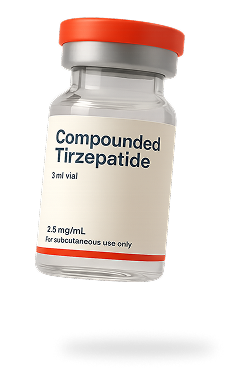
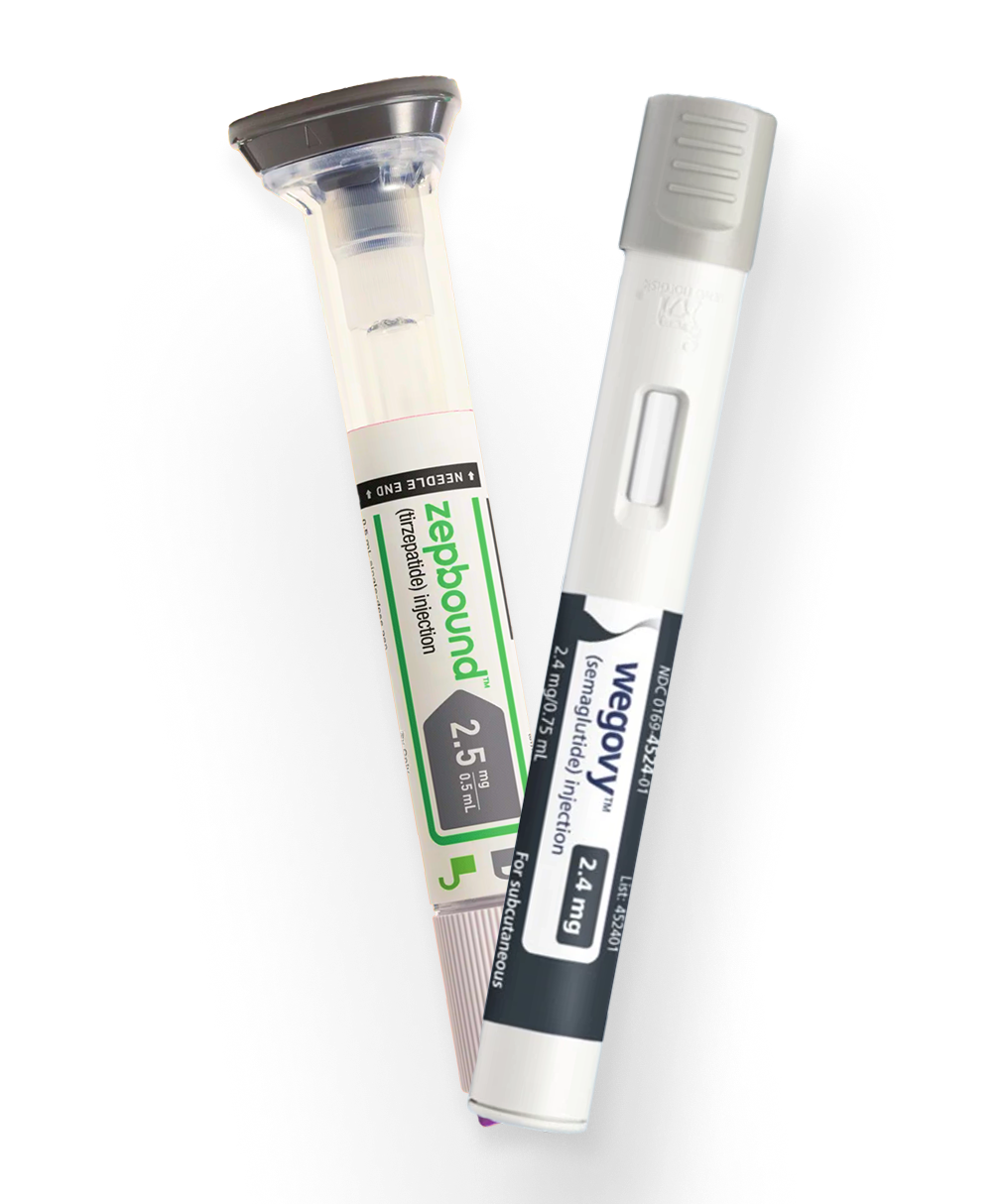
GLP-1 receptor agonists, like those used in Zappy’s programs, mimic naturally occurring hormones involved in appetite and metabolic regulation. These medications help by regulating appetite signaling in the brain, slowing gastric emptying (increasing satiety), and reducing the intensity and frequency of hunger cues. By addressing underlying biological drivers, GLP-1 shifts eating from constant negotiation to something more neutral and manageable. This is a fundamentally different approach from dieting — and for many, it’s life-changing.
What the Science Shows
Clinical research supports these effects. Large-scale trials such as STEP-1 demonstrated that participants using GLP-1–based therapies achieved a mean weight reduction of approximately 14.9% when combined with lifestyle changes. Beyond the numbers, patient-reported outcomes often highlight improved control around eating, reduced preoccupation with food, and greater ability to focus on health behaviors consistently. The therapy works best when integrated properly — not as a shortcut, but as a tool.
Zappy Is a Tool — Not a Standalone Solution
At Zappy, we emphasize an important truth: GLP-1 is not magic. It’s metabolic support. Sustainable success still requires a reduced-calorie, nutritionally sound diet, increased physical activity, ongoing medical oversight, and behavioral/lifestyle alignment. The difference is that GLP-1 helps create the mental space needed to actually follow through. Instead of constantly battling appetite signals, many people can finally redirect energy toward movement they enjoy, better sleep and recovery, emotional health, and living fully — not dieting endlessly.
What About Side Effects?
As with any medication, GLP-1 therapies can have side effects — most commonly gastrointestinal symptoms such as nausea, fullness, or mild discomfort. For most patients, these effects are temporary, improve as the body adjusts, and can be managed with proper dosing and guidance. Medical supervision is key to navigating this safely and effectively.
Reclaiming Bandwidth, Not Just Losing Weight
The true value of addressing food noise isn’t just what happens on the scale — it’s what happens in your life. When food no longer dominates your thoughts, you gain mental clarity, emotional breathing room, greater consistency with healthy habits, and a sense of control that feels sustainable. This is what we mean by metabolic freedom: the ability to focus on living, not constantly managing hunger.
The Bottom Line
If you’ve spent years feeling mentally exhausted by food decisions, cravings, and cycles of dieting, the quiet that can come with GLP-1 therapy may be the most meaningful change of all. Zappy’s approach is built around this understanding: true health isn’t about willpower — it’s about giving your body the right tools. When biology is supported, clarity often follows.
A thoughtful next step
If you’re struggling with chronic weight challenges and seeking an evidence-based, medically supervised approach,
it may be time to explore whether GLP-1 support fits your journey.
👉 Learn how Zappy helps quiet food noise and support long-term success
Safety & Clinical Notes (High-Level)
FAQ
What is “food noise”?
Food noise is the constant mental chatter about food—cravings, decisions, timing, and guilt—that can drain focus and emotional bandwidth over time.
Is it normal to feel more mental clarity on GLP-1?
Many people report fewer intrusive thoughts about food and steadier focus as appetite signals become less intense and more manageable.
Does GLP-1 replace lifestyle changes?
No. GLP-1 is metabolic support. Long-term success still relies on nutrition, activity, and medical oversight—GLP-1 can make follow-through easier.