


GLP-1 & PCOS
GLP-1 and PCOS: Why These Medications Work Especially Well
TLDR: All you need to know
TLDR: PCOS is fundamentally an insulin problem. GLP-1 medications fix insulin resistance at the root. That's why women with PCOS often see dramatically better results on GLP-1 than the general population — not just weight loss, but regular periods, reduced androgen symptoms (acne, facial hair, hair thinning), restored fertility, and improved metabolic markers. This isn't an off-label bonus. It's the medication doing exactly what it's designed to do — in a body that needed it more than most.
You've been told to "just lose weight" your entire adult life.
As if you haven't tried.
PCOS makes weight loss brutally hard.
The insulin resistance. The cravings. The fatigue.
You diet harder than everyone around you and lose less.
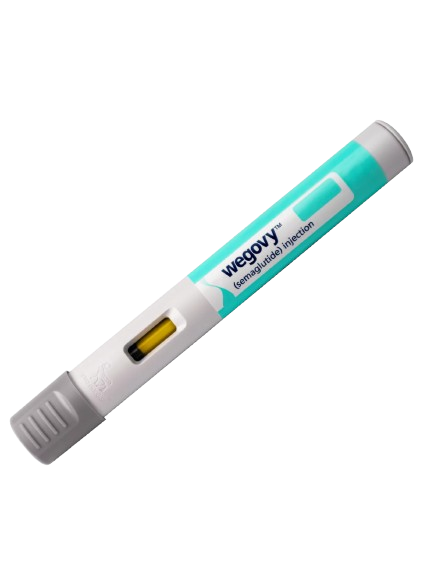
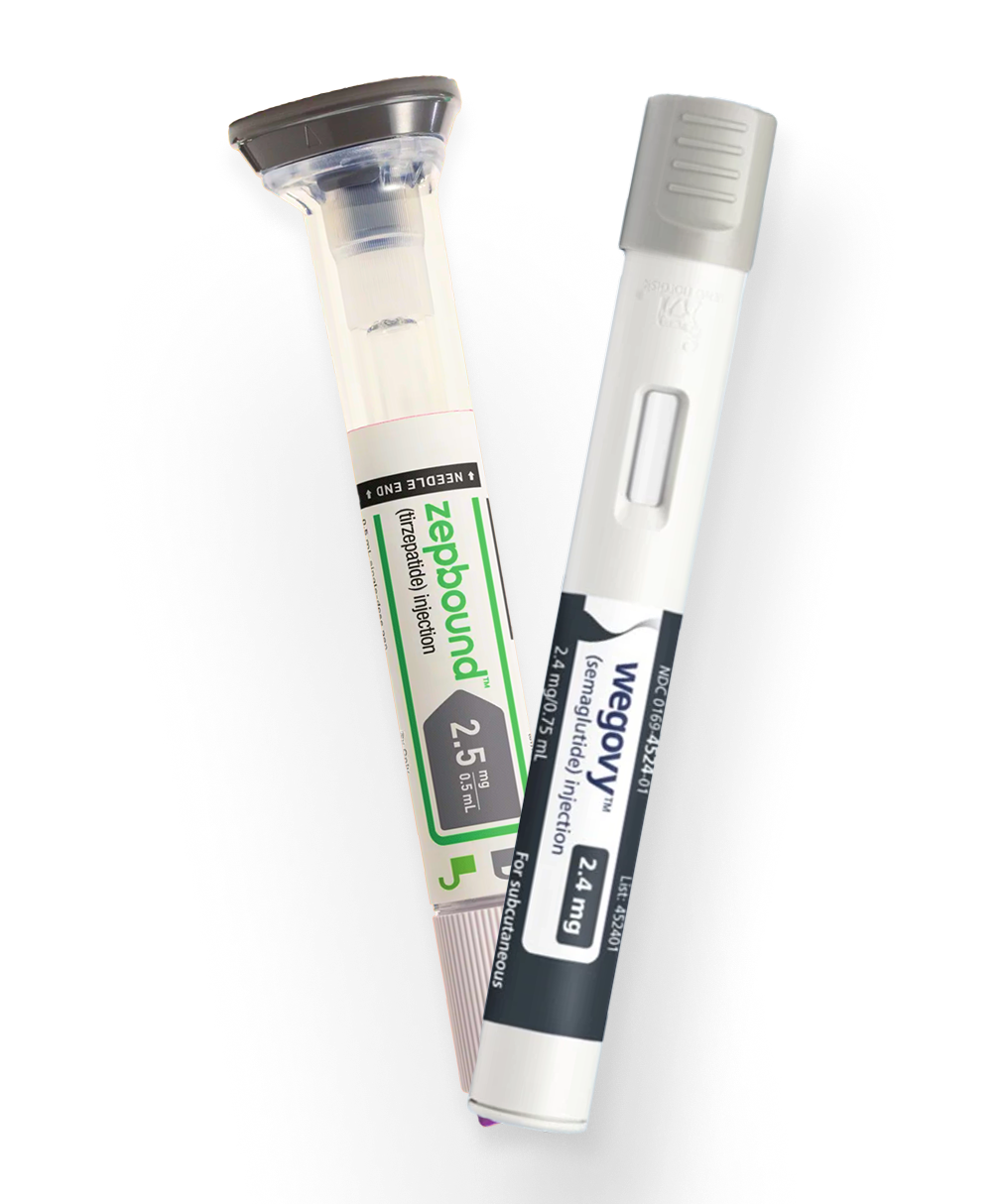
Then you try semaglutide (Ozempic/Wegovy) or tirzepatide (Mounjaro/Zepbound).
And something different happens.
The weight moves. The cravings disappear. Your period comes back.
This isn't a coincidence. GLP-1 medications are arguably better suited for PCOS than for any other patient population.
Here's why.
PCOS Is an Insulin Problem (Not Just a Weight Problem)
Most people — including many doctors — describe PCOS as a hormonal disorder.
That's technically true but deeply misleading.
PCOS is driven by insulin resistance.
Here's the chain reaction:
The PCOS Cascade:
- Your cells become resistant to insulin.
- Your pancreas produces MORE insulin to compensate (hyperinsulinemia).
- High insulin tells your ovaries to produce more testosterone.
- Excess testosterone causes: irregular periods, acne, facial hair, scalp hair thinning.
- Excess testosterone disrupts ovulation → infertility.
- High insulin promotes fat storage, especially around the abdomen.
- More abdominal fat → more insulin resistance → the cycle accelerates.
Every classic PCOS symptom traces back to insulin.
Not estrogen. Not progesterone. Insulin.
This is why dieting alone doesn't work for most PCOS patients. You can eat 1,200 calories and still gain weight because your insulin is telling your body to store fat regardless of caloric input.
It's not willpower. It's biology. You can read more about insulin resistance in PCOS pathophysiology and the Office on Women's Health PCOS overview.
Why GLP-1 Medications Hit the PCOS Root Cause
GLP-1 medications weren't designed for PCOS.
But they fix exactly what's broken in PCOS.
1. They Improve Insulin Sensitivity Directly
GLP-1 receptor agonists enhance insulin signaling in your cells.
Your cells respond to insulin properly again.
Your pancreas stops overproducing insulin.
When insulin drops, the entire PCOS cascade slows down.
2. They Reduce Hyperinsulinemia
Less insulin circulating means less signal to your ovaries to produce testosterone.
Lower testosterone = less acne, less facial hair, less scalp hair thinning.
This is the same mechanism that makes metformin work for PCOS — but GLP-1 is significantly more effective.
3. They Target Abdominal Fat Specifically
GLP-1 medications preferentially reduce visceral fat (deep belly fat).
Visceral fat is the type most linked to insulin resistance.
Losing visceral fat improves insulin sensitivity beyond what the scale shows.
This is why PCOS patients often see symptom improvement before they see major weight loss.
4. Tirzepatide Adds a Second Mechanism
Tirzepatide (Mounjaro/Zepbound) targets both GLP-1 and GIP receptors.
GIP receptors play an additional role in glucose metabolism and insulin sensitivity.
This dual mechanism may make tirzepatide even more effective for PCOS than semaglutide.
Early research is promising, but head-to-head PCOS studies are still underway. Learn more about GLP-1 receptor agonists in PCOS.
What PCOS Patients Actually Experience on GLP-1 (Timeline)
| Timeline | What Changes | Why |
|---|---|---|
| Weeks 1–4 | Cravings reduce significantly. Sugar cravings especially. Food noise quiets. | GLP-1 acts on brain's appetite and reward centers. PCOS carb cravings (insulin-driven) diminish as insulin improves. |
| Months 1–2 | Weight loss begins, especially around abdomen. Energy increases. Bloating decreases. | Visceral fat loss improves insulin sensitivity. Lower insulin = less water retention and bloating. |
| Months 2–4 | Periods may return or become more regular. Acne starts improving. | Lower insulin → lower testosterone. Ovarian function begins recovering. |
| Months 3–6 | Facial hair growth slows. Scalp hair may improve. Mood stabilizes. | Sustained androgen reduction. Hormonal balance shifting toward normal range. |
| Months 4–8 | Ovulation may restore. Fertility increases. Lab work shows improved A1C, cholesterol, androgens. | Metabolic improvements compound. HPO axis recalibrating. |
| Months 6–12 | Significant body composition change. PCOS symptoms at their lowest. Some patients achieve near-normal hormonal profiles. | Sustained weight loss + insulin improvement + androgen reduction = systemic improvement. |
Individual timelines vary. Some women see period changes within 6 weeks. Others take 4–6 months. The trajectory matters more than the speed.
GLP-1 vs. Metformin for PCOS: The Honest Comparison
Metformin has been the standard PCOS medication for decades.
It works. But GLP-1 works differently — and in many cases, better.
| Factor | Metformin | GLP-1 (Semaglutide/Tirzepatide) |
|---|---|---|
| Mechanism | Reduces liver glucose production. Modest insulin sensitizer. | Improves insulin signaling at cellular level. Reduces appetite. Targets visceral fat. |
| Weight loss | Modest: 3–5% average | Significant: 15–22% average |
| Androgen reduction | Moderate. Testosterone drops 10–20%. | More significant. Testosterone drops 20–40% (driven by greater weight loss + insulin improvement). |
| Period regulation | Helps some women. Takes 3–6 months. | Helps most women. Often faster (2–4 months). |
| Fertility impact | Improves ovulation in some. Often combined with Clomid. | Restores ovulation more effectively. Must STOP before conceiving. |
| GI side effects | Common: diarrhea, nausea, stomach cramps. Often persistent. | Common: nausea, constipation. Usually temporary (improves by months 2–3). |
| Cost | $4–15/month (generic) | $300–1,300/month depending on insurance |
| FDA-approved for PCOS? | No (off-label, but widely used) | No (off-label, but growing clinical evidence) |
| Can they be combined? | Yes — some providers use both | Yes — some providers use both |
Important: Neither metformin nor GLP-1 is FDA-approved specifically for PCOS. Both are used off-label. GLP-1 is not a replacement for metformin in all cases — cost, access, and individual response matter. Some providers use both together for maximum effect.
If you're on metformin and considering GLP-1: Talk to your endocrinologist or OB-GYN. Don't stop metformin without guidance. The combination may be more effective than switching. Learn more about metformin for PCOS from ACOG.
Lab Work: What to Test and When
If you have PCOS and you're on GLP-1, these labs matter more than the scale.
Ask your provider to run them at baseline (before starting) and every 3–6 months.
| Test | What It Measures | Why It Matters for PCOS | Target Direction |
|---|---|---|---|
| Fasting insulin | Insulin resistance level | The root driver. If this improves, everything else follows. | ↓ Lower |
| HOMA-IR | Calculated insulin resistance score | More precise than insulin alone. Combines fasting glucose + insulin. | ↓ Lower (goal <2.0) |
| A1C | 3-month blood sugar average | PCOS increases Type 2 diabetes risk. Track this closely. | ↓ Lower (goal <5.7%) |
| Total testosterone | Androgen level | Drives acne, facial hair, hair loss, irregular periods. | ↓ Lower |
| Free testosterone | Bioavailable androgen | Often more useful than total. Shows what's actively causing symptoms. | ↓ Lower |
| SHBG | Sex hormone-binding globulin | Low SHBG = more free testosterone. GLP-1 often raises SHBG. | ↑ Higher |
| DHEA-S | Adrenal androgen | Distinguishes ovarian vs adrenal androgen excess. | Monitor |
| Lipid panel | Cholesterol and triglycerides | PCOS worsens cardiovascular risk. GLP-1 improves lipids. | ↓ Lower (especially triglycerides) |
| Vitamin D | Vitamin D level | 70–80% of PCOS patients are deficient. Affects insulin sensitivity. | ↑ Higher (goal >30 ng/mL) |
| Ferritin | Iron stores | Heavy periods deplete iron. Supplement if <30 ng/mL. | ↑ Higher (goal >50 ng/mL) |
Print this table. Bring it to your next appointment. Most providers will order all of these if you ask. Review the Endocrine Society's PCOS lab testing guidelines for more detail.
The Fertility Conversation: Critical for PCOS Patients
This section is not optional reading if you have PCOS and are on GLP-1.
GLP-1 can restore ovulation in women who haven't ovulated in months or years.
If you were told you couldn't get pregnant, that may no longer be true.
⚠️ If you have PCOS and are NOT planning pregnancy:
Use reliable contraception. Now. Not next month.
Oral birth control pills may be less effective on GLP-1 (delayed gastric emptying affects absorption).
Best options: IUD (hormonal or copper), implant (Nexplanon), patch, or ring.
If staying on the pill, use a backup method (condoms) for 4 weeks after starting GLP-1 and after each dose increase.
⚠️ If you have PCOS and ARE planning pregnancy:
GLP-1 must be stopped BEFORE attempting to conceive.
Semaglutide: stop at least 2 months before trying.
Tirzepatide: stop at least 1 month before trying.
Work with your OB-GYN and endocrinologist together to plan timing.
The good news: the metabolic improvements from GLP-1 persist after stopping, which means your improved insulin sensitivity and restored ovulation may continue to support conception after you stop the medication.
Nutrition on GLP-1 With PCOS: What's Different
The general GLP-1 nutrition advice applies. But PCOS adds a few extra layers.
Protein target is higher. Aim for 90–120g/day if you have PCOS. Higher protein intake improves insulin sensitivity independent of weight loss. It also protects against the muscle loss that's more common in insulin-resistant patients.
Carb quality matters more. You don't need to go keto. But replacing refined carbs (white bread, pasta, sugar) with complex carbs (sweet potatoes, quinoa, lentils, Banza pasta) reduces insulin spikes that drive PCOS symptoms.
Anti-inflammatory foods help. Fatty fish (salmon, sardines), berries, leafy greens, turmeric, and walnuts reduce the chronic inflammation that worsens both PCOS and insulin resistance.
Supplement vitamin D. 70–80% of PCOS patients are vitamin D deficient. Low vitamin D worsens insulin resistance. Ask your doctor to check your level. If below 30 ng/mL, supplement 2,000–4,000 IU daily.
Consider inositol. Myo-inositol (2,000mg) + D-chiro-inositol (50mg) daily is one of the most evidence-backed PCOS supplements. It improves insulin sensitivity and ovarian function. Many providers recommend it alongside GLP-1 and/or metformin. Brands like Ovasitol make the dosing easy. Review the inositol for PCOS systematic review for supporting evidence.
What PCOS Patients Should Track on GLP-1 (Beyond Weight)
| What | How | Why |
|---|---|---|
| Period dates + flow | Clue, Flo, or Apple Health app | Tracks ovulatory restoration. Your OB-GYN needs this data. |
| Acne (face photos monthly) | Same lighting, same angle, 1st of each month | Slow improvement is hard to see daily. Photos prove progress. |
| Facial hair growth | Note how often you need to shave/wax/thread | Reduced frequency = lower androgens = treatment working. |
| Waist circumference | Tape measure at belly button, every 2 weeks | Visceral fat loss (PCOS's core issue) shows here before the scale. |
| Energy level (1–10) | Daily note in phone | Insulin improvement directly affects energy. Data beats guessing. |
| Lab work | Every 3–6 months (see lab table above) | The numbers confirm what your body is feeling. |
| Mood + anxiety | Daily 1–10 rating | Hormonal shifts affect mood. Pattern recognition helps your provider adjust. |
The Mistake: Treating PCOS Like a Weight Problem Instead of an Insulin Problem
Every PCOS patient has heard some version of: "Just lose weight and your symptoms will improve."
That advice gets the causation backwards.
PCOS causes weight gain. Weight gain doesn't cause PCOS.
You can't exercise or diet your way out of insulin resistance that's hormonally driven.
GLP-1 works for PCOS because it treats the insulin problem directly.
Weight loss is a result of fixing insulin. Not the other way around.
The fix: Find a provider who treats your insulin, not just your weight. An endocrinologist who understands PCOS, or a reproductive endocrinologist if fertility is involved. Your treatment plan should include fasting insulin and HOMA-IR monitoring — not just a scale.
Building the Right PCOS + GLP-1 Care Team
| Provider | Role | Why You Need Them |
|---|---|---|
| GLP-1 prescriber | Manages medication, dose titration, side effects | Your starting point. Could be PCP, endocrinologist, or telehealth provider. |
| Endocrinologist | Manages insulin resistance, hormonal testing, metabolic health | Understands the PCOS–insulin connection. Orders the right labs. |
| OB-GYN or Reproductive Endocrinologist | Manages periods, fertility, birth control, pregnancy planning | Critical if fertility is a goal. Coordinates GLP-1 stop timing. |
| Registered Dietitian (PCOS-specialized) | Manages nutrition, supplements, anti-inflammatory eating | Generic diet advice doesn't work for PCOS. You need someone who gets it. |
| Dermatologist | Manages acne, facial hair, scalp hair loss | If androgen symptoms persist despite treatment, they have additional tools (spironolactone, topicals). |
You don't need all 5 immediately.
But if you have PCOS and you're on GLP-1, a GLP-1 prescriber alone isn't enough.
At minimum: add an endocrinologist or OB-GYN who understands PCOS. Use the Endocrine Society's directory or the ASRM reproductive endocrinologist finder to locate a specialist near you.
Try This Tonight
Print the lab table from this post (or screenshot it).
Check which of those 10 labs you've had in the last 6 months.
If the answer is fewer than 5: call your provider tomorrow and ask for the missing ones.
The most common gaps: fasting insulin, HOMA-IR, free testosterone, SHBG, and vitamin D.
These are the tests that tell you whether GLP-1 is actually fixing your PCOS — not just your weight.
FAQ
Q: Is Ozempic approved for PCOS?
A: No. Neither semaglutide nor tirzepatide is FDA-approved for PCOS. They are used off-label, meaning doctors prescribe them based on clinical evidence that they help. Multiple studies show significant improvement in insulin resistance, androgen levels, and ovulatory function in PCOS patients on GLP-1.
Q: Which is better for PCOS: Ozempic or Mounjaro?
A: Both improve insulin resistance and promote weight loss. Tirzepatide (Mounjaro/Zepbound) targets two receptors (GLP-1 + GIP) and may offer stronger insulin sensitization, but head-to-head PCOS studies are still limited. Both are good options. Your doctor's choice may depend on insurance coverage and individual response.
Q: Should I take metformin AND GLP-1 for PCOS?
A: Some providers use both together. They work through different mechanisms and can be complementary. Metformin is much cheaper ($4–15/month) and may help bridge gaps in GLP-1 coverage. Don't stop metformin without consulting your doctor.
Q: Will GLP-1 cure my PCOS?
A: No. PCOS is a chronic condition with a genetic component. GLP-1 treats the insulin resistance that drives symptoms, and many symptoms improve dramatically. But if you stop the medication and regain weight, symptoms often return. Long-term management (medication, nutrition, exercise) is the goal.
Q: Can I get pregnant while on GLP-1 with PCOS?
A: Yes — and more easily than before. GLP-1 restores ovulation in many PCOS patients. But GLP-1 must be stopped before attempting pregnancy (semaglutide: 2+ months before, tirzepatide: 1+ month before). If you're not planning pregnancy, use reliable contraception immediately.
On tirzepatide (Mounjaro/Zepbound)? Everything in this post applies — and tirzepatide's dual GLP-1/GIP mechanism may offer even stronger insulin sensitization for PCOS. The fertility warnings, birth control interactions, and lab monitoring are identical. All the nutrition and supplement recommendations apply equally.