


GLP-1 Relationships
GLP-1 and Relationships: When Weight Loss Creates Problems at Home
TLDR: All you need to know
TLDR: Weight loss on GLP-1 doesn't just change your body. It changes your relationships. Partners can feel threatened, friends may pull away, family dinners become complicated, and your social life rearranges itself around food you no longer want. About 50% of people who lose significant weight report relationship strain. None of this means something is wrong with you. It means the people around you are adjusting to a version of you they haven't met yet. This post covers the 5 most common conflicts and exactly what to say to navigate each one.
You expected the nausea.
You expected the smaller appetite.
You did not expect the fight with your husband about dinner.
Or the weird tension with your best friend.
Or the comment from your mother-in-law that felt like a compliment but stung like an insult.
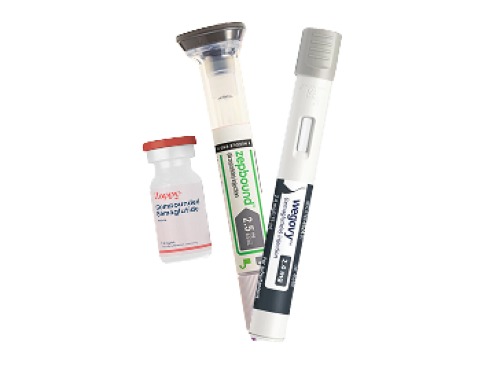
Weight loss on semaglutide (Ozempic/Wegovy) or tirzepatide (Mounjaro/Zepbound) changes more than your body.
It rearranges the social dynamics around you.
And nobody warns you about that part.
Here's what actually happens in relationships during significant weight loss — and how to handle it without losing the people who matter.
Why Weight Loss Changes Relationships (The Psychology)
Relationships have unspoken equilibriums.
You and your partner. You and your friend group. You and your family.
Everyone settles into roles, patterns, and power dynamics.
When one person changes dramatically, the equilibrium breaks.
This isn't about whether your partner is a good person or your friends are real friends.
Good people have uncomfortable reactions to change.
That's psychology, not character.
Researchers call it system disruption.
When one person in a relational system changes, everyone else must adapt.
Adaptation is uncomfortable. Discomfort creates friction.
Friction feels like conflict. Psychology Today explores this dynamic in depth.
Here's what that friction actually looks like in real life:
The 5 Most Common Relationship Conflicts on GLP-1
1. Your Partner Feels Threatened
This is the #1 reported relationship issue during weight loss.
And it's almost never about what it looks like on the surface.
What it sounds like:
"Why do you need to lose weight? You look fine."
"You're getting a lot of attention now."
"You're different. I don't know who you are anymore."
"Are you going to leave me when you're thin?"
What's actually happening:
Your partner built the relationship with a specific version of you.
You're becoming someone new. That's exciting for you.
For them, it's terrifying. Because they don't know where they fit in your new life.
The fear isn't irrational. Research shows that major weight loss is correlated with higher divorce rates.
Not because weight loss causes divorce — but because it surfaces misalignments that were always there.
"I'm not changing to get away from you. I'm changing because I want to be healthier and feel better. But I need you to know that this is hard, and I want you to be part of it, not against it. Can we talk about what scares you?"
What helps: Include your partner. Share your wins. Tell them what you need. Ask about their fears directly — don't wait for the fears to become fights.
2. Friends Sabotage You (Usually Without Realizing It)
This one sneaks up on you.
What it sounds like:
"Come on, one drink won't hurt."
"You used to be fun."
"Must be nice to just take a shot and lose weight."
"You don't even need to lose weight."
What's actually happening:
Your weight loss holds up a mirror.
If your friend has been struggling with their own weight, your success feels like their failure.
They're not trying to hurt you. They're trying to protect themselves.
Food is also the foundation of many friendships. Brunch. Happy hour. The cookie swap at work.
When you change your relationship with food, the friendship loses its primary shared activity.
"I love hanging out with you. That hasn't changed. But I'm trying something new for my health, and I need you in my corner — not pushing me to eat things that make me sick right now. Can we find some new stuff to do together that isn't about food?"
What helps: Suggest non-food activities: walks, shopping, movies, classes. The friendships that survive are the ones that were built on more than meals together.
3. Family Dinners Become a War Zone
Food is love in most families.
Refusing food feels like refusing love.
What it sounds like:
"I made this just for you."
"Just eat a little. You're too thin now."
"Why can't you just eat normally?"
"What kind of example are you setting for the kids?"
What's actually happening:
Your parents and in-laws express care through food.
When you eat less or say no, they feel rejected.
They also may not understand GLP-1 medications and associate them with "cheating" or "taking the easy way."
"Your cooking is amazing. I still love it. My stomach just can't handle as much right now because of my medication. Can I take a smaller plate and bring some home for tomorrow? That way I get to enjoy it twice."
What helps: Take a small portion. Compliment the food. Bring containers for leftovers. This preserves the connection without forcing yourself to eat.
4. Your Social Life Revolved Around Food (Now It Doesn't)
Happy hours. Weekend brunches. Girls' nights out. Work lunches.
Before GLP-1, your social calendar was built around eating and drinking.
Now you can't eat much. Alcohol hits differently. Nausea makes restaurant dining risky.
So you start declining invitations.
And people notice.
What it sounds like:
"You never come out anymore."
"You're obsessed with your diet."
What's actually happening:
You haven't replaced food-centered socializing with anything else.
It feels easier to stay home than to explain why you're ordering broth and sparkling water.
Over time, isolation becomes a habit.
The fix: Don't stop going. Adjust. Order what you can eat. Nobody cares about your plate as much as you think they do. If restaurants are genuinely hard, suggest alternatives: coffee, walks, movies, game nights, farmer's markets. Replace the activity, not the people.
5. The "Cheating" Accusation
This one hurts the most.
What it sounds like:
"That's not real weight loss."
"You're just taking the easy way out."
"If you stop the medication, you'll gain it all back."
"I lost weight the hard way. You should too."
What's actually happening:
Two things at once.
First: the person doesn't understand GLP-1 medication. They think it's a magic pill, not a tool that still requires discipline, lifestyle changes, and medical monitoring.
Second: your success threatens their worldview. If weight loss "should be hard," your medication challenges that belief. Instead of updating their belief, they invalidate your experience.
"I take a medication that helps me manage my appetite, just like someone takes medication for blood pressure or cholesterol. It's a medical treatment prescribed by a doctor. I'm glad it's working."
When you're done explaining: "I don't need you to approve of how I'm losing weight. I need you to support the fact that I'm healthier. Can you do that?"
The Uncomfortable Truth: Not Every Relationship Survives
Some relationships get better. The partner who was scared starts exercising with you. The friend who was jealous gets inspired. The family adapts.
Some relationships don't survive.
If a friendship was built entirely on bonding over food, drinking, or shared unhealthy habits — it may not have a foundation left once those habits change.
If a partner was more comfortable with you at a higher weight because it made them feel more secure, your weight loss exposes an insecurity that was always there. That's their work to do.
Losing relationships during weight loss is painful.
But keeping yourself small to keep other people comfortable is not a sustainable life plan.
The people who truly care about you will adjust. It may take time. Give them time.
The people who can't adjust were not supporting you. They were supporting the version of you that made them comfortable.
5 Things That Help Couples Navigate GLP-1 Together
1. Tell your partner before you start. Don't surprise them with medication and a rapidly changing body. Explain what GLP-1 is, what to expect, and why you're doing it. Make them part of the decision.
2. Cook together, eat differently. Same kitchen, same dinner time. You eat a smaller portion or skip the bread. They eat what they want. Don't make your partner "diet with you." That breeds resentment.
3. Replace shared food activities. If your "thing" was ordering pizza and watching movies, keep the movies. Replace the pizza with something you can both enjoy. Walk and talk. Cook together (even if you eat less).
4. Name the fear. Ask: "What scares you about this?" Then listen. Don't defend. Don't fix. Just listen. Often, naming the fear shrinks it.
5. Consider couples therapy (not as a last resort). A therapist who understands weight management can help you navigate the identity shift together. This doesn't mean something is "wrong." It means something is changing. Change is hard. You can find a couples therapist through the Psychology Today therapist directory.
If You're the Partner Reading This: What They Need From You
Maybe your partner shared this link with you.
Maybe you found it on your own.
Either way, here's what they probably want you to know but don't know how to say:
They're not doing this to leave you.
They're scared too. About nausea, hair loss, loose skin, whether it'll work, whether it'll last.
They need you to be encouraging, not policing their food.
They need you to notice without making it about appearance every time.
They need you to stop making jokes about the medication. Even "funny" ones.
They need you to ask how they're feeling, not just how much they've lost.
The best thing you can say: "I'm proud of you. What do you need from me right now?"
That's it. That's the whole thing.
The Mistake: Hiding Your Medication From Everyone
Some patients keep GLP-1 a secret from everyone.
They say they're "eating better" or "working out more."
That works for strangers and acquaintances.
It backfires with the people closest to you.
Secrets create distance. Distance creates suspicion.
Your partner notices you're injecting something in the bathroom but you won't talk about it.
Your friend notices you've lost 40 lbs in 4 months and your "diet" story doesn't add up.
The fix: You don't owe everyone an explanation. But the people you live with, eat with, and love — they deserve honesty. You're taking a medication prescribed by a doctor for a medical condition. That's nothing to hide.
Try This Tonight
Think about the one relationship that's been most affected since you started GLP-1.
Your partner. A friend. A parent.
Send them a text. Not a confrontation. Just a connection.
"Hey. I know things have been a little different since I started this medication. I just want you to know I appreciate you, and I'd love to talk about how you're feeling about it too. No pressure. Just whenever you're ready."
That text takes 30 seconds.
It opens a door that silence keeps shut.
Most of the time, the other person is just waiting for permission to talk about it.
On tirzepatide (Mounjaro/Zepbound)? Same relationship dynamics apply. Weight loss is weight loss to the people around you, regardless of which medication you're taking. The scripts and strategies in this post work for both.
FAQ
Q: Is it normal for GLP-1 to cause relationship problems?
A: Yes. About 50% of people who lose significant weight report some form of relationship strain. It's not the medication — it's the rapid change. Weight loss shifts identity, confidence, social dynamics, and daily routines. All of those affect relationships.
Q: My partner is unsupportive of my GLP-1 medication. What should I do?
A: First, understand that resistance usually comes from fear, not cruelty. Have an honest conversation about what scares them. If they're dismissive or hostile after that conversation, consider couples counseling. A medical decision doesn't require your partner's approval, but navigating it together is healthier for both of you.
Q: How do I handle friends who say I'm cheating by using Ozempic?
A: A short response: "I take medication for a medical condition, same as blood pressure or cholesterol medication." A longer conversation: explain that GLP-1 addresses a biological appetite regulation issue, not willpower. If they can't respect that, it says more about them than about you.
Q: Should I tell people I'm on GLP-1?
A: You owe strangers nothing. But for close relationships — partners, close friends, immediate family — honesty prevents the distance that secrecy creates. You don't need to justify your medication. You just need to be open about it.
Q: Can weight loss actually cause divorce?
A: Weight loss is associated with higher divorce rates, but it doesn't cause divorce. What happens: rapid change surfaces problems that already existed. Couples who communicate through the change often come out stronger. Couples who had unaddressed issues may find those issues become unavoidable.