


PCOS & GLP-1
How to Track Your PCOS Symptoms on GLP-1 (Free Template + What to Watch)
TLDR: All you need to know
TLDR: Your doctor asks "How have things been?" and you say "I think better?" That's not good enough for PCOS. This post gives you a free monthly tracker covering the 7 things every PCOS patient on GLP-1 should monitor: periods, acne, facial hair, waist measurement, energy, mood, and cravings. Track for 90 days. Then walk into your appointment with data, not guesses. Your treatment plan gets better when your tracking is specific.
PCOS changes slowly.
So slowly that you don't notice improvement until someone shows you a photo from 3 months ago.
GLP-1 speeds some of these changes up.
But even on medication, progress is uneven.
Your period might regulate before your acne clears.
Your waist might shrink before the scale moves.
Your cravings might vanish but your mood might dip.
Without tracking, you can't see patterns.
Without patterns, your doctor can't adjust your treatment.
Without adjustment, you plateau.
This template fixes all of that in 5 minutes per week.
Why PCOS Patients Need to Track More Than the Scale
For general GLP-1 patients, weight is a reasonable progress measure.
For PCOS patients, it's the worst one.
PCOS causes hormonal water retention. Your weight can fluctuate 3–7 lbs in a single day based on where you are in your cycle, how much salt you ate, and your insulin levels. The scale lies to PCOS patients more than anyone.
The real progress is invisible on a scale. Insulin dropping, androgens improving, ovulation resuming, inflammation decreasing — none of these show up on a bathroom scale. They show up in symptoms and lab work.
Your endocrinologist needs specifics. "I feel better" doesn't help them adjust your treatment. "My period came on day 32 last month, day 29 this month, and my fasting insulin dropped from 22 to 14" — that helps them make decisions.
The 7 Things Every PCOS Patient on GLP-1 Should Track
| What to Track | How to Track It | How Often | Why It Matters |
|---|---|---|---|
| Period dates + flow | App: Clue, Flo, or Apple Health. Log start date, end date, flow (light/medium/heavy). | Every period | Cycle length trending toward 28–35 days = ovulation restoring. The #1 visible sign GLP-1 is fixing your PCOS. |
| Acne (face photos) | Same mirror, same lighting, same angle. Take a selfie on the 1st of every month. | Monthly | Acne improvement is too slow to see daily. Monthly photos prove progress your mirror can't show you. |
| Facial hair growth | Note how often you shave, wax, or thread. Weekly? Every 3 days? Every 2 weeks? | Monthly note | Frequency decreasing = androgens dropping. Slowest symptom to change (months 3–8). Track so you don't lose hope. |
| Waist circumference | Tape measure at belly button. Breathe out, measure. Same time of day (morning, before eating). | Every 2 weeks | PCOS visceral fat loss shows at the waist before the scale. More reliable than weight for PCOS patients. |
| Energy level (1–10) | Quick rating in phone notes or app. 1 = can barely function, 10 = best day ever. | Daily or weekly avg | Insulin improvement directly boosts energy. A rising energy trend confirms metabolic improvement. |
| Mood / anxiety (1–10) | Same scale. Note any major mood shifts, anxiety spikes, or emotional days. | Daily or weekly avg | Hormonal shifts affect mood. Weeks 2–6 on GLP-1 can spike anxiety. Tracking shows if it's temporary or worsening. |
| Cravings intensity (1–10) | 1 = zero food noise, 10 = constant carb cravings. Note what you craved (sugar, bread, salt). | Weekly | PCOS cravings are insulin-driven. GLP-1 should quiet them within 2–4 weeks. If cravings persist, dose may need adjusting. |
You don't need to track all 7 every single day. Periods and photos are monthly. Waist is biweekly. Energy/mood/cravings take 30 seconds per day in your phone notes.
The Monthly PCOS + GLP-1 Check-In Template (Screenshot This)
Fill this out once per month. Bring it to every doctor's appointment.
| This Month | Last Month | Trend | |
|---|---|---|---|
| Month / Date | ___ / ___ | ___ / ___ | |
| GLP-1 Dose | ______ mg | ______ mg | ↑ ↓ = |
| Weight | ______ lbs | ______ lbs | ↑ ↓ = |
| Waist (at belly button) | ______ in | ______ in | ↑ ↓ = |
| Period: start date | Day ______ | Day ______ | |
| Period: cycle length | ______ days | ______ days | Shorter? Longer? More regular? |
| Period: flow | Light / Med / Heavy | Light / Med / Heavy | |
| Acne (1–10 severity) | ______ | ______ | ↑ ↓ = |
| Facial hair (shave freq) | Every ___ days | Every ___ days | Less often = improving |
| Avg energy (1–10) | ______ | ______ | ↑ ↓ = |
| Avg mood (1–10) | ______ | ______ | ↑ ↓ = |
| Avg cravings (1–10) | ______ | ______ | ↓ = improving |
| Labs done this month? | Yes / No | Target: every 3 months | |
| Notes for doctor | ________________________ | ||
Pro tip: Take a photo of this template each month. In 3 months, you'll have a visual timeline that makes trends obvious. Bring all 3 months to your next appointment.
What "Good Progress" Actually Looks Like for PCOS on GLP-1
Not everything improves at the same speed. Here's the typical order:
| Symptom | When to Expect Change | What "Good" Looks Like |
|---|---|---|
| Cravings / food noise | Weeks 1–4 | Intensity drops from 8–10 to 2–4. Carb/sugar cravings especially quiet. |
| Energy | Weeks 2–6 | Daily average rises from 4–5 to 6–7. Fewer afternoon crashes. |
| Waist circumference | Months 1–3 | Losing 0.5–1 inch per month at the waist. Often before the scale shows much. |
| Period regularity | Months 2–6 | Cycle length moving toward 28–35 days. If absent, period may return. |
| Acne severity | Months 2–6 | Fewer new breakouts. Existing marks fading. Severity score dropping 2–3 points. |
| Facial hair | Months 3–8 | Shaving/waxing less frequently. This is the slowest change. Don't give up. |
| Mood / anxiety | Months 2–4 | Initial dip possible (weeks 2–6), then steady improvement as hormones stabilize. |
| Lab work (insulin, testosterone, A1C) | Months 3–6 | Fasting insulin dropping, free testosterone lower, SHBG rising, A1C improving. |
Key: If you're seeing improvement in 4–5 of these categories, GLP-1 is working for your PCOS — even if the scale hasn't moved much. Don't quit based on weight alone.
Red Flags: When Your Tracking Should Trigger a Doctor Visit
Contact your provider if you notice:
- Period absent for 3+ consecutive months (could be over-restriction, pregnancy, or hormonal issue).
- Mood score consistently below 3 for more than 2 weeks.
- Cravings NOT improving after 6+ weeks at a therapeutic dose.
- Energy dropping over time instead of improving.
- New or worsening hair loss that doesn't match the telogen effluvium timeline (months 3–6).
- Weight GAINING despite adherence (may indicate thyroid issue or dose adjustment needed).
Tracking makes these patterns visible. Without data, you'd wait months before noticing. With data, you catch problems in weeks.
Best Apps for PCOS Tracking on GLP-1
| App | Best For | Cost | PCOS-Specific? |
|---|---|---|---|
| Clue | Period tracking, cycle predictions, PMS symptoms | Free (Premium $10/yr) | No, but excellent cycle tracking. Clean interface. |
| Flo | Period + symptom logging, health insights | Free (Premium $50/yr) | Has PCOS mode. Symptom logging includes acne, mood, cravings. |
| Apple Health / Google Fit | Centralizing all data: weight, cycle, steps, sleep | Free | No, but aggregates data from other apps. Good overview. |
| MyFitnessPal | Protein tracking (3 days/month is enough) | Free | No. Use sparingly. Don't calorie-obsess. Just check protein 3 days/month. |
| Phone Notes app | Quick daily energy/mood/craving ratings | Free | No. But the fastest option. Open → type 3 numbers → done. |
Simplest approach: Clue or Flo for periods. Phone notes for daily energy/mood/cravings (3 numbers, 10 seconds). Monthly selfie for acne. Tape measure for waist. That's it.
The Mistake: Tracking Only Weight
If you only step on a scale, here's what you miss:
Your period coming back (invisible on a scale).
Your waist shrinking 2 inches (scale moved 3 lbs).
Your fasting insulin dropping 40% (scale doesn't know).
Your energy going from 4 to 7 (scale doesn't care).
Your acne clearing (scale can't see your face).
PCOS patients who only track weight are the most likely to quit GLP-1 too early.
Because the scale moves slower for PCOS. But the body is changing everywhere else.
The fix: Track symptoms, not just weight. The template above takes 5 minutes per week and gives you a complete picture that the scale never could.
Try This Tonight
Screenshot the monthly template above.
Open your phone notes and type today's date.
Rate 3 things:
Energy: __/10
Mood: __/10
Cravings: __/10
That took 15 seconds.
Do it every night for a week.
By next Friday, you'll see a pattern you didn't know was there.
Then fill out the full monthly template at the end of the month.
In 90 days, you'll have the best data your doctor has ever seen from a PCOS patient.
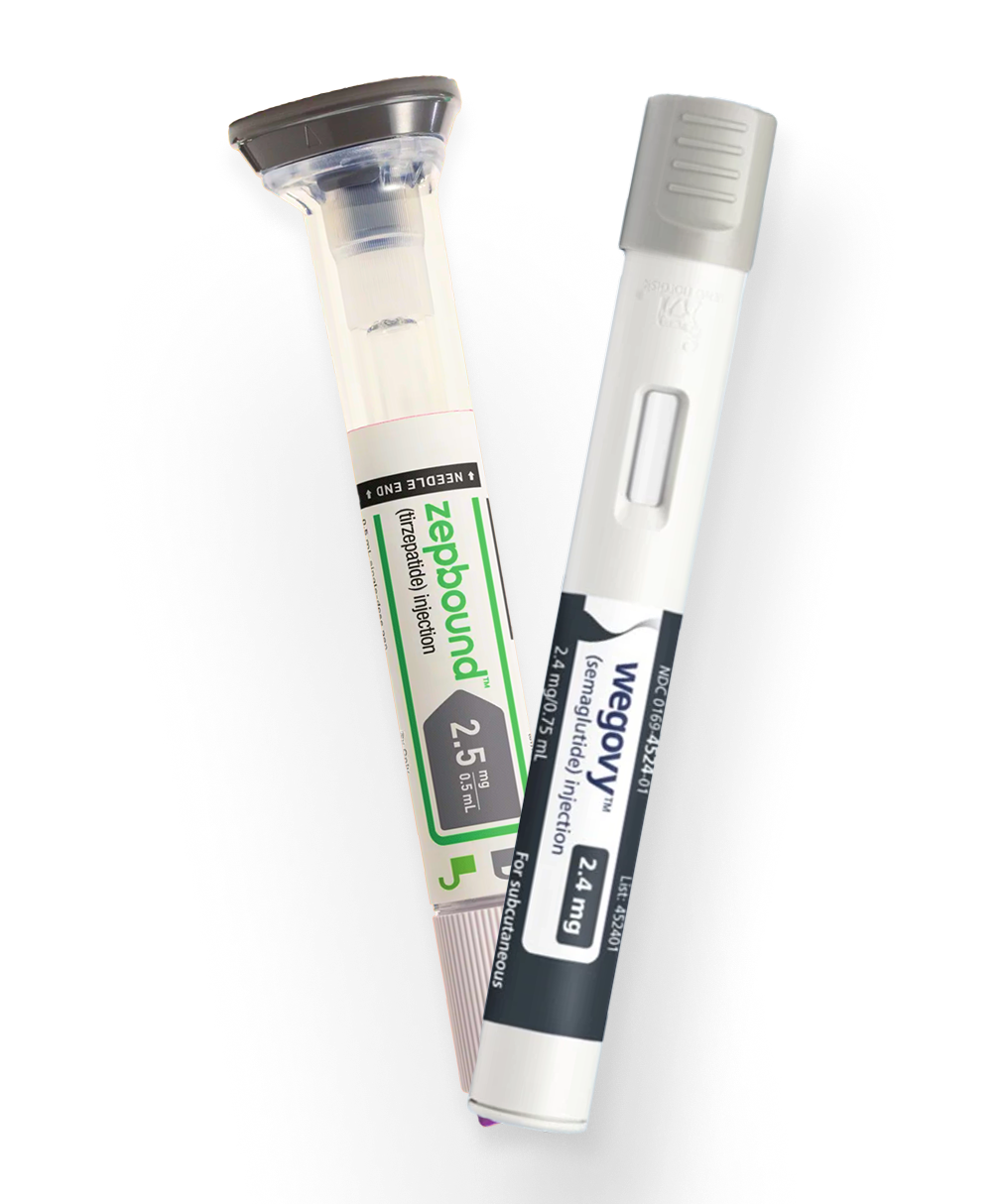
On tirzepatide (Mounjaro/Zepbound)? Same tracker, same symptoms, same template. Tirzepatide may produce faster improvements in insulin-driven symptoms (cravings, energy, waist) due to its dual mechanism. Track identically — the data tells you whether it's working regardless of which medication you're on.
FAQ
Q: What's the most important PCOS symptom to track on GLP-1?
A: Period regularity. Cycle length trending toward 28–35 days is the single strongest sign that GLP-1 is improving your insulin resistance and restoring ovulatory function. If you only track one thing, track your period.
Q: How often should I get lab work done on GLP-1 with PCOS?
A: Baseline (before starting), then every 3 months for the first year. Key labs: fasting insulin, HOMA-IR, free testosterone, SHBG, A1C, and vitamin D. After the first year, every 6 months if stable.
Q: Should I weigh myself daily with PCOS?
A: No. PCOS causes 3–7 lb daily fluctuations from hormonal water retention. Weigh yourself once per week at most, same day, same time, same conditions. Better yet: measure your waist biweekly instead. It's more reliable for PCOS.
Q: When should I worry that GLP-1 isn't working for my PCOS?
A: If after 3 months at a therapeutic dose you see zero improvement in any symptom (cravings, energy, waist, period, acne), talk to your endocrinologist. It may need a dose increase, a switch to tirzepatide, or evaluation for another underlying condition.