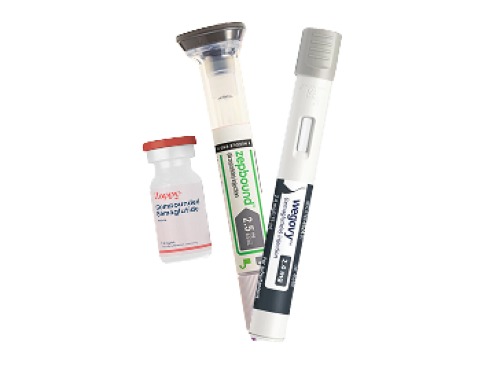



GLP-1 Side Effects
“GLP-1 Side Effects Last Forever” — The Real Adaptation Timeline
TLDR: All you need to know
TLDR: Most GLP-1 side effects are front-loaded. Nausea peaks weeks 1–4, resolves for 80% by month 3. Constipation and bloating improve as your gut adapts. Fatigue stabilizes once your body adjusts to the caloric deficit. The first 6 weeks are the worst. By month 4, most patients describe side effects as “minimal to none.” They don’t last forever. They last through adaptation.
Week 2 on GLP-1.
Nauseous after every meal. Bloated by 3pm. Constipated for 4 days.
Your friend who’s been on it 8 months says: “Oh that goes away.”
You don’t believe her. It feels permanent.
It’s not. Here’s exactly when each side effect peaks and resolves.
The Side Effect Adaptation Timeline: When 80% of Symptoms Resolve
| Side Effect | Peaks | Improves | Mostly Gone | What’s Happening |
|---|---|---|---|---|
| Nausea | Weeks 1–4 | Weeks 4–8 | Month 2–3 | GLP-1 receptors adapting. Signal intensity decreases as receptors downregulate. Normal desensitization. |
| Vomiting | Weeks 1–3 | Weeks 3–6 | Month 2 | Usually tied to eating too much or too fast. Drops sharply as portions adjust naturally. |
| Bloating | Weeks 2–6 | Weeks 6–10 | Month 3–4 | Delayed gastric emptying is most noticeable early. Gut motility patterns adjust. Smaller meals accelerate this. |
| Constipation | Weeks 2–8 | Weeks 8–12 | Month 3–4 | Slowed motility + less food volume = less bulk. Magnesium + fiber + water help. May need low-effort ongoing management. |
| Fatigue | Weeks 2–6 | Weeks 6–10 | Month 2–3 | Body adjusting to 20–40% caloric deficit. Energy systems recalibrate as your body learns to burn fat more efficiently. |
| Acid reflux | Weeks 2–8 | Weeks 6–12 | Month 3–4 | Slower stomach + lying down = acid exposure. 3-hour food gap before bed + elevated sleeping fixes it. |
| Diarrhea | Weeks 1–4 | Weeks 4–6 | Month 2 | Transient. More common on tirzepatide. If persistent, may signal dose is too high. |
| Hair thinning | Months 2–4 | Months 4–6 | Months 6–8 | Telogen effluvium from rapid weight loss. Not medication damage. Temporary. Protein + iron + time. |
| Injection site | First 2–4 shots | Weeks 4–6 | Month 2 | Skin adapts. Rotate sites. Warm pen to room temperature. |
The pattern: Almost every side effect follows the same arc — worst weeks 1–6, noticeably better by weeks 6–10, gone or easily manageable by months 3–4. The first 6 weeks are the hardest. It gets dramatically easier.
What Goes Away vs What You Manage Long-Term
✅ Goes Away for Most Patients
- Nausea (resolves 80–90% by month 3)
- Vomiting (resolves 95%+ by month 2)
- Fatigue (resolves as body adapts to deficit)
- Diarrhea (transient, resolves quickly)
- Injection site reactions (skin adapts)
⚠ May Need Ongoing (Low-Effort) Management
- Constipation (magnesium + fiber + water — 2 min/day)
- Mild bloating after large meals (eat smaller, more often)
- Acid reflux (3-hr food gap + elevated bed — once set up, zero effort)
- Hair thinning (protein + time — temporary, self-resolving)
- Reduced alcohol tolerance (drink less, slower)
Left column disappears. Right column becomes background noise — things you handle with one simple habit, not things that disrupt your life.
Why Side Effects Return at Dose Increases (and Why That’s Temporary Too)
Nausea-free for 3 weeks. Increase dose. Nausea returns.
This is not a sign you can’t tolerate it. It’s re-adaptation to a stronger signal.
| Dose Increase | Typical Nausea Duration | Severity vs First Dose |
|---|---|---|
| 1st increase | 2–5 days | 70–80% of original |
| 2nd increase | 1–3 days | 40–60% of original |
| 3rd increase | 0–2 days | 20–40% of original |
| 4th+ increase | Often none | Minimal or absent |
The rule: Stay at each dose 4–8 weeks. Don’t increase until current side effects settle. Rushing titration is the #1 reason patients quit.
→ Internal link: Higher Dose = More Weight Loss? The GLP-1 Myth That Backfires
The First 6 Weeks Survival Kit
For Nausea
Bland small meals, ginger chews, eat BEFORE injection, stay hydrated
For Constipation
Magnesium glycinate 200–400mg bedtime, 25g fiber, 64+ oz water
For Bloating
10-min walk after meals, 3-stretch routine, smaller portions
For Fatigue
Protein 80g+ daily, sleep 7+ hrs, don’t skip meals
When Side Effects Are NOT Normal (Talk to Your Provider)
Contact your provider if:
- ☐ Vomiting preventing food/water intake for 24+ hours
- ☐ Severe abdominal pain (sharp, persistent, localized)
- ☐ Signs of pancreatitis: upper abdominal pain radiating to back
- ☐ Persistent mood changes: depression, anxiety, suicidal thoughts
- ☐ Allergic reaction: rash, swelling, difficulty breathing
- ☐ Any side effect not improving after 8+ weeks at a stable dose
The Mistake: Quitting in Week 3 Because “It’s Too Much”
Weeks 2–4 are the worst you’ll feel on GLP-1. Also when the most patients quit.
They quit at the peak. 3 more weeks and 80% of it would have resolved.
The fix: Know the timeline. Weeks 1–6 are adaptation, not the permanent experience. The patients who reach month 3 almost always say: “I’m glad I didn’t quit.”
Try This Week
If you’re in weeks 1–6 and struggling:
- Rate each side effect 1–10 today. Write it down.
- Rate again in 2 weeks. Same list.
- Most patients see a 2–4 point drop within 14 days.
That trend is your proof: this is adaptation, not permanent.
FAQ
Worst weeks 1–4, resolves for most by month 2–3. Eat before injection, stay hydrated, eat small bland meals. Returns briefly (24–72 hrs) at dose increases but settles faster each time.
Improves significantly by months 3–4. Some patients manage long-term with magnesium glycinate and adequate water/fiber. Becomes a 2-minute habit, not a daily struggle.
No. Resolves by months 2–3 as your body adapts to the deficit. If fatigue persists beyond month 3 despite protein, sleep, hydration — check thyroid, iron, D, B12. Persistent fatigue has a cause.
Talk to your provider. Staying at current dose longer (8 weeks vs 4) often resolves side effects without reducing effectiveness. More adaptation time usually works better than dropping dose.