


GLP-1 Maintenance
Hit Your Goal Weight? Here’s What Most Patients Do Next.
TLDR: All you need to know
TLDR: You’re not “stuck.” You have 4 legitimate options after reaching your goal on GLP-1: stay on full dose, drop to a maintenance dose (half the cost, fewer side effects), cycle on and off, or stop with a structured plan. Each has trade-offs. The right one depends on your insulin resistance, habits, and goals. This post lays out all 4 with costs, regain risk, and who each is best for.
“So I just take this forever?”
It’s the most common question patients ask after hitting goal weight.
And the internet has two unhelpful answers:
“Yes, forever. It’s like blood pressure medication.”
“No, just stop and use willpower.”
Both are wrong. The real answer has 4 options, not 2. And only one of them involves “forever at full dose.”
Your 4 Options After GLP-1 Weight Loss (Side by Side)
| Option 1: Stay Full Dose | Option 2: Maintenance Dose | Option 3: Cycling | Option 4: Stop Entirely | |
|---|---|---|---|---|
| What it means | Continue at your current therapeutic dose indefinitely | Drop to the lowest dose that holds your weight. Example: 2.4mg → 0.5–1.0mg semaglutide | Take GLP-1 for 6–12 months, stop for 3–6 months, restart if weight creeps up | Taper off completely. Rely on habits, training, and behavioral tools alone |
| Monthly cost | $300–1,300 | $100–400 (lower dose = lower cost) | $0 during off periods, full cost during on | $0 |
| Regain risk | Lowest (5–10%) | Low (15–25%) | Moderate (25–40%, recoverable) | Higher (50–67%) |
| Side effects | Same as current | Significantly reduced | None during off periods | None |
| Best for | Chronic insulin resistance, PCOS, T2D, strong family history, cardiac benefit (SELECT trial) | Most patients. Balances cost, side effects, and weight maintenance. Providers’ #1 recommendation. | Patients who respond well but want breaks. Works if you catch regain early. | Strong habits (4/4 readiness test), no insulin resistance, moderate initial loss, solid support |
What most providers actually recommend: Option 2 (maintenance dose) for 60–70% of patients. It cuts cost and side effects by 40–60% while keeping the metabolic support that prevents regain. Full dose forever is only necessary for patients with active metabolic disease.
Option 2 Deep Dive: The Maintenance Dose (Most Popular)
This is the option most patients don’t know exists.
You don’t have to choose between “full dose forever” and “quit cold turkey.”
| Medication | Therapeutic Dose | Typical Maintenance Dose | Cost Savings | What It Feels Like |
|---|---|---|---|---|
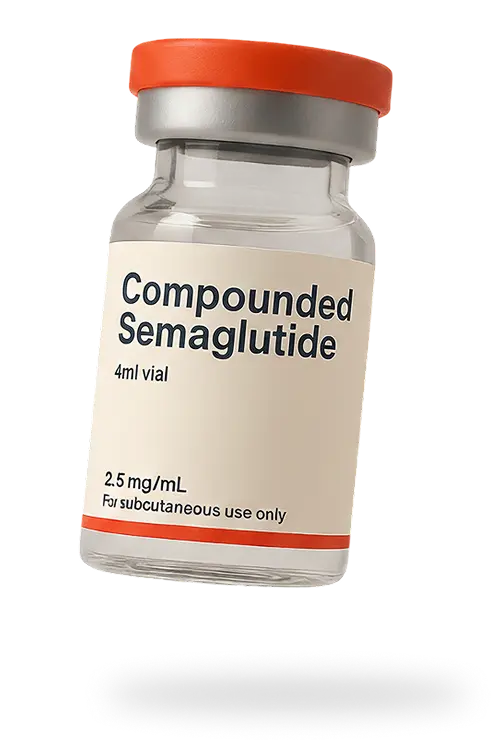
| Semaglutide | 1.7–2.4mg weekly | 0.25–1.0mg weekly | 40–70% less | Mild appetite management. You feel hungry but not driven. Portions stay reasonable without effort. |
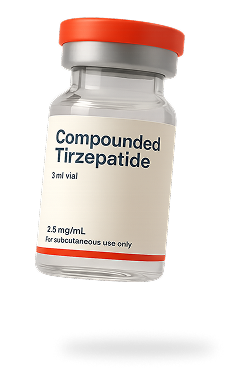
| Tirzepatide | 10–15mg weekly | 2.5–7.5mg weekly | 50–75% less | Similar mild suppression. Enough to prevent the “food noise” from returning without the GI side effects of high doses. |
How it works: Your provider tapers you down over 2–3 months. At each step-down, you monitor weight and appetite for 4 weeks. If stable, drop again. Stop tapering at whatever dose holds your weight. That’s your maintenance dose.
How long: Indefinitely, or until you and your provider decide to try cycling or stopping. Many patients stay on a maintenance dose for years at low cost with minimal side effects. It’s the “quiet mode” of GLP-1.
Option 3: Cycling — The On/Off Strategy
Newer approach. Less data. But growing in popularity.
How it works: Take GLP-1 for 6–12 months. Reach goal weight. Taper off. Live without it for 3–6 months. Monitor weight monthly. If weight creeps up 5–7 lbs above your floor, restart at a low dose for 2–3 months to course-correct. Repeat.
| Cycling Advantage | Cycling Risk |
|---|---|
| Months with no medication cost | Regain during off period (avg 5–10 lbs, recoverable) |
| No side effects during off months | Must catch regain early. Denial costs pounds. |
| Feels like “normal life” during breaks | Requires strong self-monitoring habits |
| Insurance/cost relief | Not all providers support this approach yet |
Who it works for: Patients with good habits, moderate insulin resistance, and the discipline to weigh weekly and restart without shame when the number climbs. It fails for patients who avoid the scale during off periods.
Which Option Is Right for You? (Quick Decision Guide)
Choose Option 1 (full dose) if:
✓ Type 2 diabetes or severe insulin resistance
✓ PCOS with active metabolic issues
✓ Cardiovascular risk (SELECT trial showed 20% event reduction)
✓ Family history of obesity + regain after every previous diet
Choose Option 2 (maintenance dose) if:
✓ Weight stable for 3+ months at current dose
✓ Want to reduce cost and side effects
✓ No active metabolic disease requiring full dose
✓ This is the default for most patients
Choose Option 3 (cycling) if:
✓ Strong habits and weekly self-monitoring
✓ Willing to restart without shame when weight climbs
✓ Want true medication-free periods
✓ Moderate initial weight loss (20–40 lbs, not 80+)
Choose Option 4 (stop entirely) if:
✓ Score 4/4 on the readiness test (protein automatic, training 6+ months, insulin normal, emotional eating addressed)
✓ No underlying insulin resistance
✓ Accept that restarting is always an option if needed
The Comparison Nobody Makes: GLP-1 vs Other “Forever” Medications
Nobody says “I’m stuck on blood pressure medication forever.”
Nobody says “I’m stuck on thyroid medication forever.”
Nobody says “I’m stuck on my statin forever.”
But they say it about GLP-1.
Obesity is a chronic metabolic condition. Like hypertension. Like hypothyroidism. Managing it with medication isn’t “being stuck.” It’s treatment. And unlike blood pressure meds, GLP-1 gives you options. You can taper. You can cycle. You can stop. Try doing that with levothyroxine.
Try This Today
The Mistake: Deciding Now What You’ll Do at Goal Weight
You’re 3 months into GLP-1 and already stressing about whether you’ll take it “forever.” You don’t need to decide today. The decision about maintenance happens at goal weight. Not before.
If you’re at or near goal weight:
Step 1: Read the 4 options above. Which one resonates?
Step 2: Bring that option to your next provider visit. Say: “I’m interested in [option]. Can we discuss a plan?”
If you’re still losing:
Bookmark this post. Come back when you’re ready. Focus on protein, training, and habits now. Future you will thank present you for building the foundation that makes Options 2–4 possible.
FAQ
No. You have 4 options: full dose, maintenance dose, cycling, or stopping. Most patients land on Option 2 (maintenance dose) — lower cost, fewer side effects, weight maintained. “Forever at full dose” is only one path, and it’s not the most common.
Typically 0.25–1.0mg weekly (vs 2.4mg therapeutic). Your provider tapers you down until you find the lowest dose that holds your weight and manages appetite. Cost drops 40–70%. Side effects drop significantly.
Yes. Restarting GLP-1 is common and effective. You don’t lose the ability to respond. Many providers build “restart triggers” into the plan: if weight goes up 7+ lbs from your floor, you restart at a low dose for 2–3 months.
Limited long-term data, but the approach is gaining traction with providers. The medication itself doesn’t lose effectiveness with cycling. The risk is regain during off periods — manageable if you weigh weekly and restart early when weight climbs.