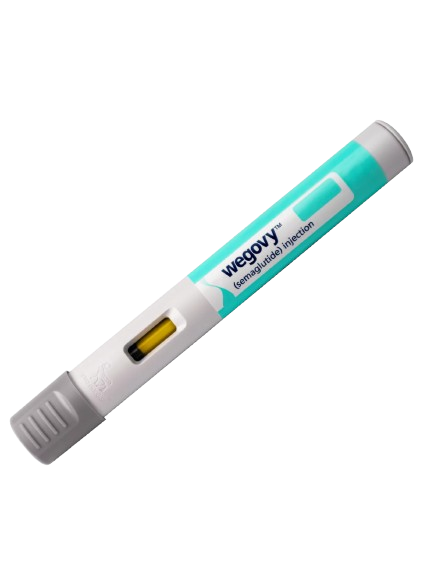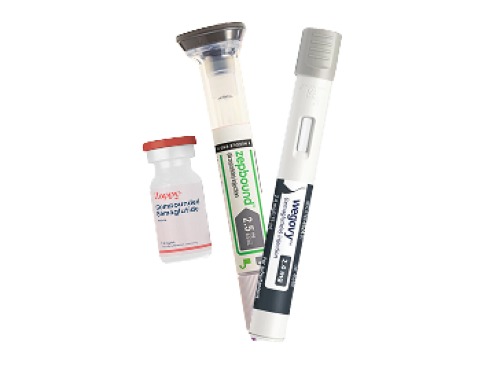



PCOS & GLP-1
PCOS Belly Fat and GLP-1: Why It Targets Visceral Fat First
TLDR: All you need to know
TLDR: PCOS belly fat is visceral fat — the deep, metabolically active fat surrounding your organs. It's driven by insulin resistance and excess androgens, not by eating too much. GLP-1 attacks both drivers simultaneously: it improves insulin signaling and reduces the caloric surplus that feeds visceral fat production. Most PCOS patients lose waist inches before scale weight drops significantly. That's not a coincidence — it's the medication working exactly where PCOS does the most damage.
You've dieted before.
You lost weight from your face, your arms, your chest.
Your belly didn't budge.
That's PCOS. Your belly fat isn't the same as everyone else's.
It's hormonally driven, insulin-fueled, and resistant to normal dieting.
GLP-1 is the first medication most PCOS patients have tried that actually moves it.
Here's why.
Why PCOS Belly Fat Is Different From Regular Belly Fat
| Regular Belly Fat | PCOS Belly Fat | |
|---|---|---|
| Type | Subcutaneous (under the skin, pinchable) | Visceral (deep, around organs, firm) |
| Main driver | Caloric surplus over time | Insulin resistance + high androgens |
| Responds to dieting? | Usually yes — caloric deficit reduces it | Poorly — insulin keeps depositing fat regardless of deficit |
| Responds to exercise? | Moderate response | Minimal without fixing insulin first |
| Health risk | Moderate | High — visceral fat drives inflammation, heart disease, type 2 diabetes, and fatty liver |
| Where it goes with weight loss | Depends on genetics | Often the LAST place to go on regular diets. FIRST on GLP-1. |
The key difference: regular belly fat is a storage problem. PCOS belly fat is a hormonal problem.
You can't out-diet a hormone. That's why crunches and calorie counting alone never worked.
How GLP-1 Attacks PCOS Belly Fat at the Root
GLP-1 doesn't just reduce calories. It fixes the two engines that create PCOS visceral fat.
Engine 1: Insulin resistance. High insulin tells your body to store fat — preferentially in the abdominal cavity. GLP-1 improves insulin sensitivity at the pancreatic and hepatic level. When insulin drops, your body stops receiving the "store belly fat" signal. Existing visceral fat becomes accessible for burning.
Engine 2: Caloric surplus. Even a modest caloric surplus feeds visceral fat in insulin-resistant patients. GLP-1's appetite suppression creates a consistent deficit without willpower. Less incoming energy means less raw material for visceral fat production.
Why belly fat goes first on GLP-1: Visceral fat is metabolically active — it has more blood flow and more insulin receptors than subcutaneous fat. When insulin drops, visceral fat responds faster than fat on your arms, legs, or hips. That's why your waist measurement shrinks before the scale moves significantly. Clinical research confirms GLP-1's preferential effect on visceral adiposity.
What to Expect: The PCOS Belly Fat Timeline on GLP-1
| Timeframe | What Happens | What You'll Notice |
|---|---|---|
| Weeks 2–4 | Insulin begins improving. Visceral fat metabolism shifts. | Bloating may decrease. Belt fits slightly easier. Scale may not move much yet. |
| Months 1–2 | Visceral fat actively shrinking. Waist measurement drops. | Pants fit differently. Belly feels softer (visceral → subcutaneous shift). 1–3 inches off waist is typical. |
| Months 3–4 | Significant visceral fat reduction. Labs improve (fasting insulin, triglycerides). | Visible waist change. Others start noticing. 3–5 inches off waist for many patients. |
| Months 6–12 | Visceral fat substantially reduced. Subcutaneous fat continues declining. | Midsection transformation. Insulin resistance markedly improved. Some patients normalize fasting insulin entirely. |
Waist measurement is the best early indicator of GLP-1 progress for PCOS patients — better than the scale. Measure at belly button level every 2 weeks. Breathe out normally. Write the number down.
Why the Scale Lies About PCOS Belly Fat Progress
Month 1: you've lost 2 inches off your waist. The scale says you lost 3 lbs.
You're frustrated. 3 lbs in a month?
Here's what actually happened:
You lost 6 lbs of visceral fat. That's the dense, deep abdominal fat.
You retained 3 lbs of water. Hormonal shifts and improved insulin cause temporary fluid rebalancing.
Net scale: 3 lbs down. But your body composition changed by 6 lbs of the most dangerous fat.
The scale can't see visceral fat leaving. Your waist measurement can.
Your labs can (triglycerides, fasting insulin, liver enzymes).
Your clothes can.
Track this way: Waist every 2 weeks + weight weekly + photos monthly. Trust the waist number over the scale, especially in months 1–3.
What Amplifies GLP-1's Effect on PCOS Belly Fat
Strength training 2–3x/week. Muscle improves insulin sensitivity independent of GLP-1. More muscle means more glucose disposal, which means less insulin needed, which means less belly fat signal. The combination is stronger than either alone.
Protein 80–100g daily. Protein has the highest thermic effect — your body burns 20–30% of protein calories just digesting it. High protein also preserves the muscle that drives insulin sensitivity.
Sleep 7+ hours. Under 7 hours raises cortisol 15–20%. Cortisol specifically drives visceral fat storage. Sleep is free belly-fat prevention.
Inositol (optional). Myo-inositol 4,000mg daily improves insulin signaling through a different pathway than GLP-1. The combination attacks insulin resistance from two angles.
The Mistake: Doing Crunches to Target Belly Fat
Spot reduction is a myth. 500 crunches a day will not shrink PCOS belly fat.
PCOS belly fat is visceral — it's behind your abdominal muscles, around your organs. You can't crunch it away.
The fix: Compound strength movements (squats, deadlifts, rows) burn more calories and improve insulin sensitivity far more than crunches. GLP-1 handles the insulin. Strength training handles the muscle. The belly fat shrinks from the inside out.
Try This Week
Today: Measure your waist at belly button level. Breathe out. Write the number down.
In 2 weeks: Measure again. Same spot, same conditions.
If you're on GLP-1 and the waist number dropped even 0.5 inches — that's visceral fat leaving.
Even if the scale barely moved.
That's GLP-1 doing exactly what PCOS patients have been waiting for.