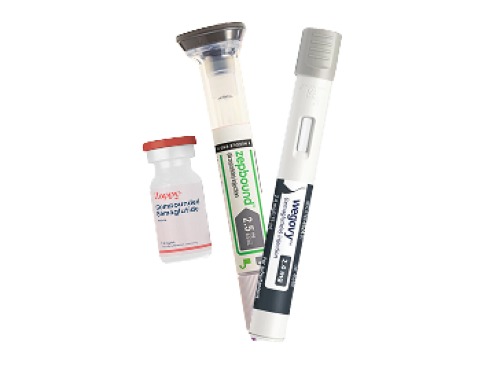
Compounded semaglutide is a medication that belongs to a class of drugs known as GLP-1 receptor agonists. It is typically prescribed for managing type 2 diabetes and is sometimes used off-label for weight management. As with any medication, it is essential to understand the safety considerations associated with its use.
1. Understanding Compounded Semaglutide
- Definition: Compounded semaglutide refers to the formulation of semaglutide created by compounding pharmacies. This process involves combining, mixing, or altering ingredients to meet specific patient needs.
- Regulatory Note: Compounded Semaglutide is not FDA-approved, and the FDA does not assess compounded medications for safety, effectiveness, or quality.
2. Approved Uses
- Diabetes Management: Helps lower blood sugar levels by increasing insulin secretion and reducing glucose production in the liver.
- Weight Management: Supports weight loss by reducing appetite and promoting satiety. This use is often off-label for compounded forms.
3. Precautions Before Use
- Medical History: Inform your healthcare provider if you have a history of:
- Pancreatitis
- Thyroid tumors or cancer (including a family history of medullary thyroid carcinoma)
- Kidney or liver disease
- Gallbladder problems
- Gastrointestinal disorders
- Allergies: Report any known allergies to semaglutide or other GLP-1 receptor agonists.
- Pregnancy and Breastfeeding: Safety during pregnancy and lactation is not well established. Consult your healthcare provider for guidance.
4. Potential Side Effects
- Common Side Effects:
- Nausea
- Vomiting
- Diarrhea
- Constipation
- Decreased appetite
- Serious Side Effects (Seek immediate medical attention):
- Severe abdominal pain (may indicate pancreatitis)
- Signs of allergic reactions (e.g., rash, swelling, difficulty breathing)
- Symptoms of kidney problems (e.g., reduced urine output, swelling in extremities)
- Vision changes
5. Drug Interactions
- Inform your healthcare provider about all medications, supplements, and herbal products you are taking, as certain drugs may interact with semaglutide. Key interactions include:
- Insulin or other diabetes medications, which may increase the risk of hypoglycemia.
- Medications that affect digestion or gastrointestinal motility.
6. Dosage and Administration
- Administration: Compounded semaglutide is usually administered via subcutaneous injection. Follow your healthcare provider’s instructions carefully.
- Storage: Store as directed by your compounding pharmacy, typically in a refrigerator.
- Missed Dose: If you miss a dose, take it as soon as possible, unless it’s close to the next scheduled dose. Do not double up.
7. Risks and Considerations
- Thyroid Tumors: Studies in rodents have shown an increased risk of thyroid C-cell tumors. The relevance to humans is uncertain, but patients with a history of such tumors should avoid use.
- Pancreatitis Risk: There is a potential risk of pancreatitis. Monitor for symptoms such as severe abdominal pain radiating to the back.
- Hypoglycemia: When used with other glucose-lowering medications, compounded semaglutide may increase the risk of low blood sugar.
8. Monitoring and Follow-Up
- Regular follow-ups with your healthcare provider are crucial to monitor:
- Blood sugar levels
- Kidney function
- Any adverse effects or complications
9. FAQs
- Is compounded semaglutide safe? While generally safe when prepared by a reputable compounding pharmacy, the lack of FDA approval means it’s essential to use caution and consult a qualified healthcare provider.
- Can I switch from FDA-approved semaglutide to compounded semaglutide? Only switch under the guidance of a healthcare provider who can ensure appropriate dosing and monitor for safety.
Disclaimer: This information is intended for educational purposes and should not replace professional medical advice. Always consult your healthcare provider for personalized guidance.